
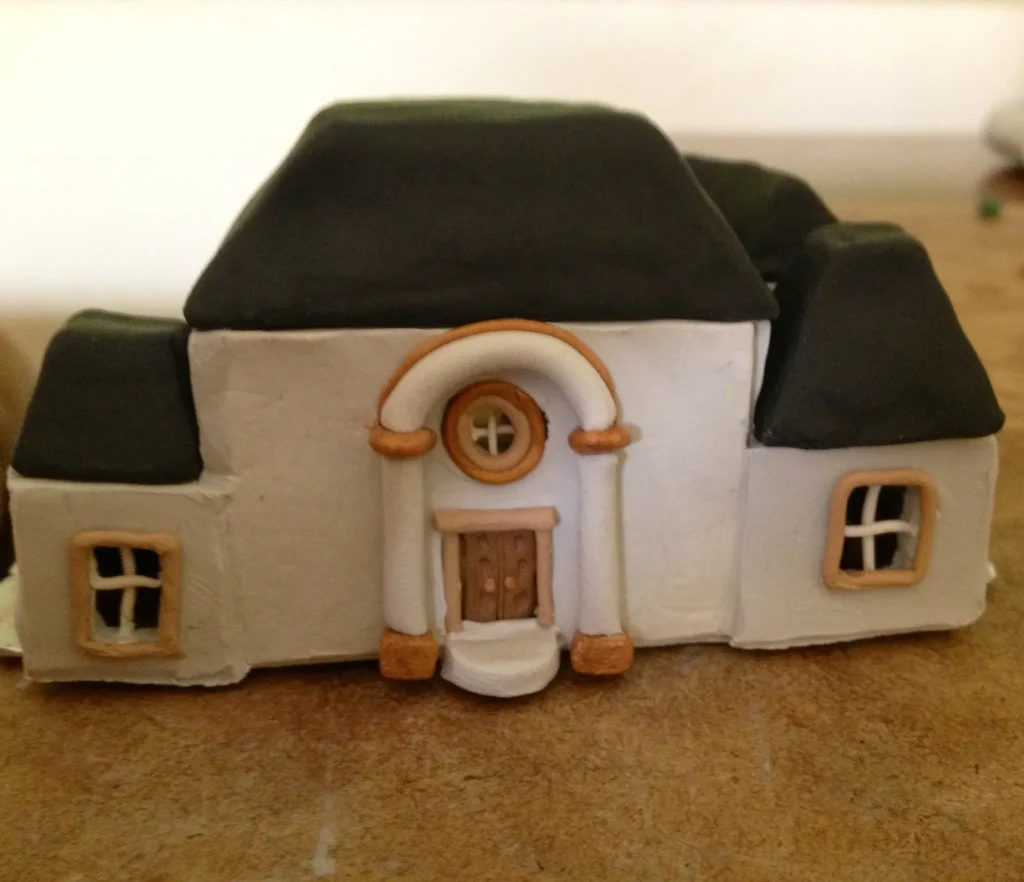
In an age of concrete buildings, rising energy costs, and growing environmental concerns, many people are rediscovering the beauty and practicality of clay houses. Once considered a symbol of traditional living, clay homes are now gaining popularity among architects, environmentalists, and homeowners looking for sustainable and energy-efficient housing solutions.
A clay house is more than just a building made from earth. It represents a connection with nature, a healthier indoor environment, and a sustainable way of living that has stood the test of time.
In this guide, we’ll explore what clay houses are, their benefits, construction methods, and why they are becoming an attractive option for modern homeowners.
What Is a Clay House?
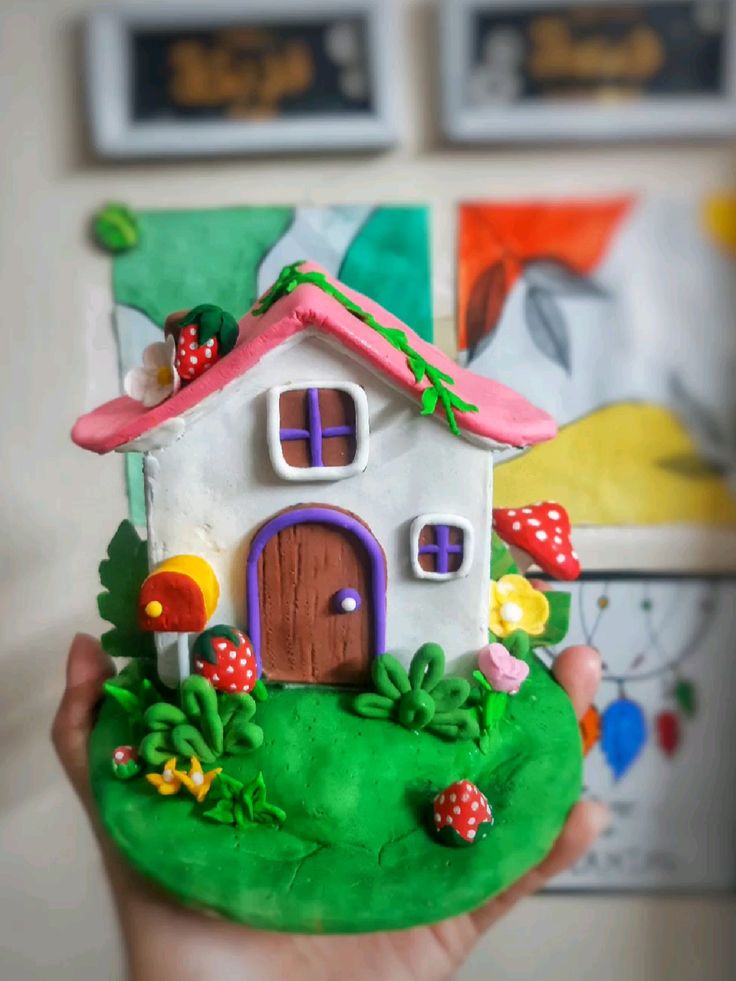
A clay house is a structure built using natural clay, soil, sand, and other earth-based materials. These homes have been constructed for centuries in different parts of the world and continue to provide comfortable living spaces in various climates.
Unlike conventional buildings that rely heavily on concrete and steel, clay houses use locally available materials, making them more environmentally friendly and cost-effective.
The History of Clay Houses
Clay has been used as a building material for thousands of years. Ancient civilizations across Asia, Africa, the Middle East, and South America built homes, temples, and public structures using clay and mud.
Many of these historic structures still stand today, proving the durability and resilience of clay as a construction material.
Benefits of Living in a Clay House

Natural Temperature Control
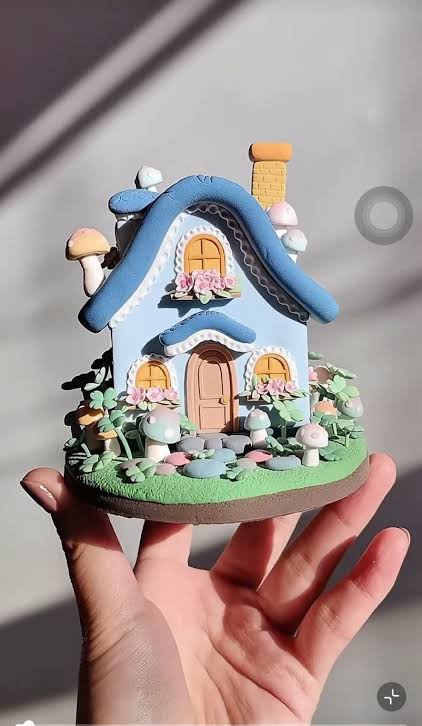
One of the biggest advantages of a clay house is its ability to regulate indoor temperatures naturally.
During summer, clay walls absorb heat slowly, keeping interiors cool. In winter, they help retain warmth, creating a comfortable living environment year-round.
Eco-Friendly Construction
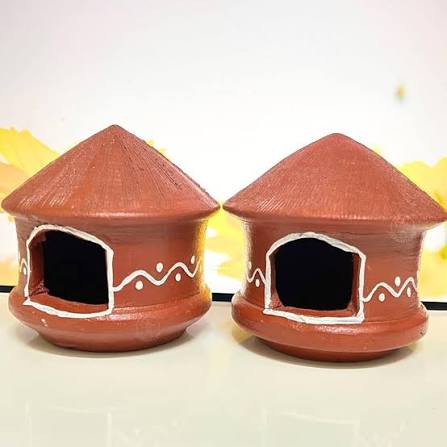
Clay is one of the most sustainable building materials available. It is natural, biodegradable, and requires significantly less energy to process compared to concrete and steel.
Building with clay reduces the environmental impact of construction while promoting sustainable living.
Healthier Indoor Air Quality
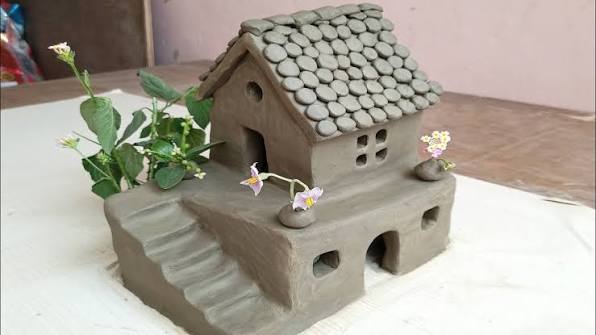
Clay walls naturally regulate humidity levels, helping create a healthier indoor environment.
They can absorb excess moisture and release it when the air becomes dry, reducing the risk of mold and improving overall comfort.
Cost-Effective Building Material
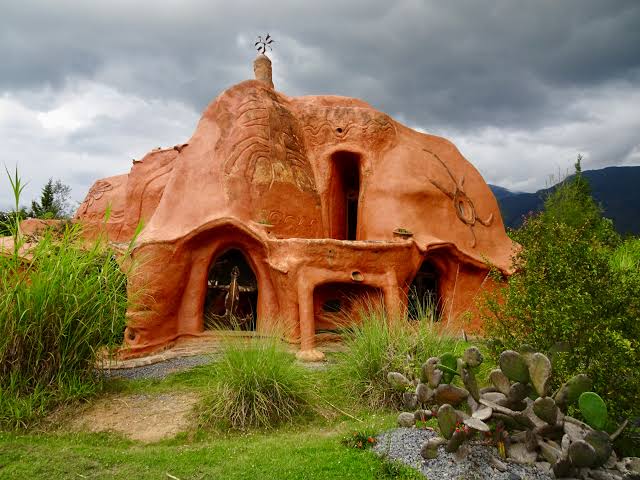
In many regions, clay is readily available and affordable. This can reduce construction costs while still providing a strong and durable structure.
Unique Aesthetic Appeal
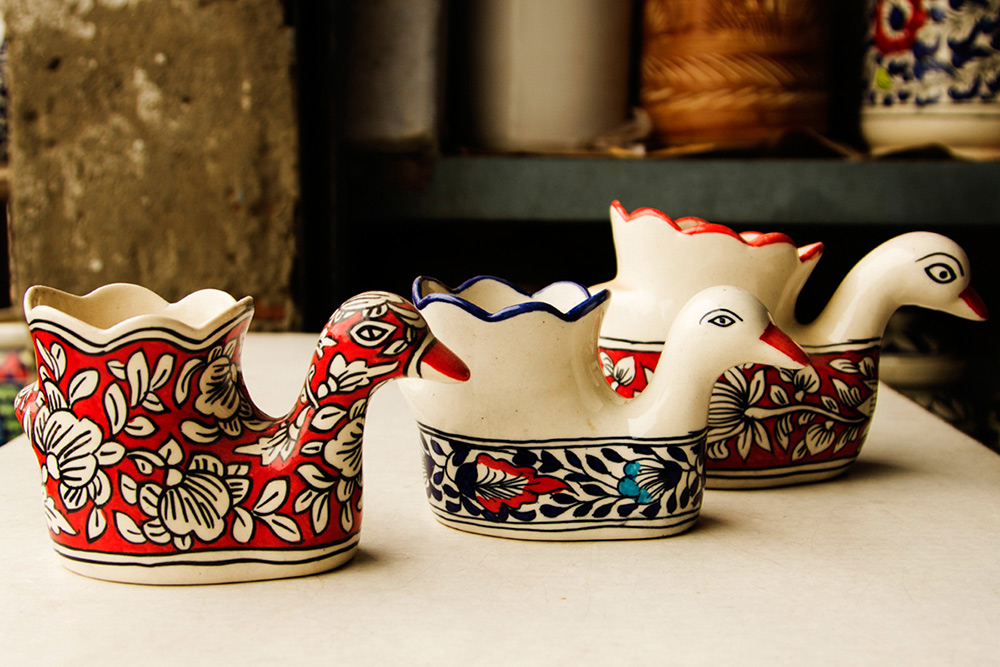
Clay houses offer a warm, natural appearance that blends beautifully with the surrounding landscape.
Their earthy textures and handcrafted character create a timeless architectural style that many homeowners find appealing.
Different Types of Clay Houses
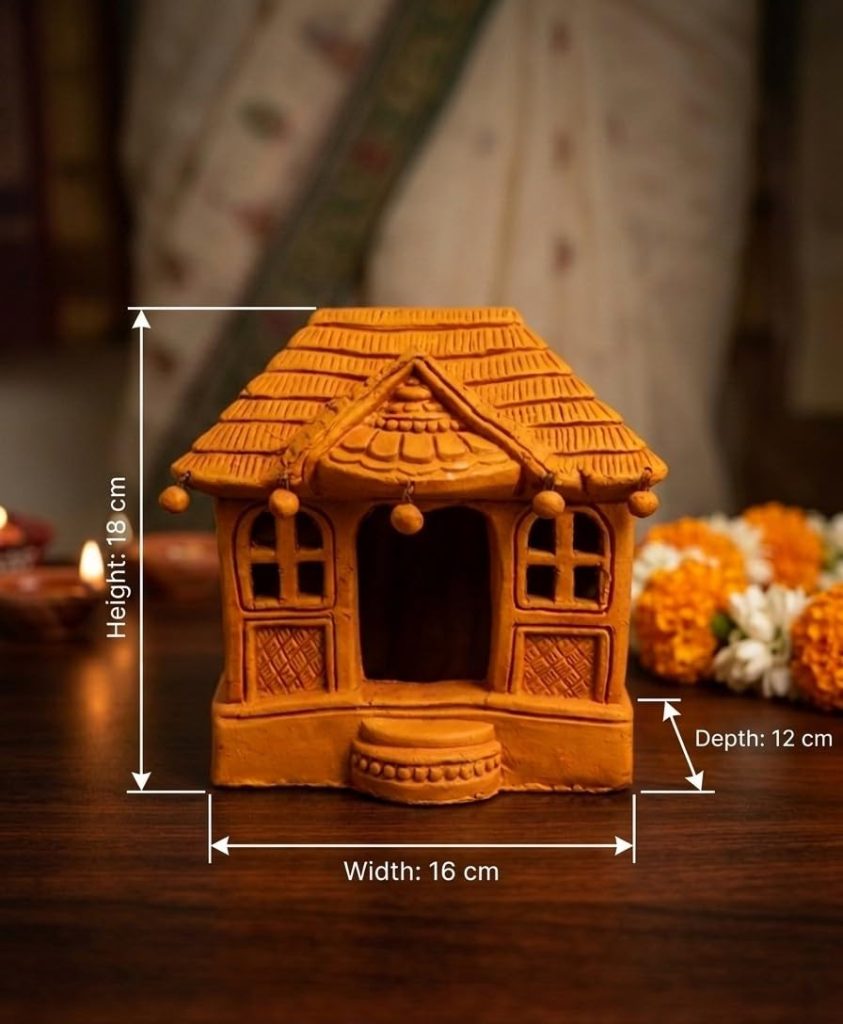
Adobe Houses
Adobe construction uses sun-dried clay bricks made from a mixture of soil, clay, water, and straw.
These homes are known for their thick walls and excellent thermal insulation.
Cob Houses
Cob houses are built using a mixture of clay, sand, straw, and water.
The material is shaped by hand, allowing for creative and organic architectural designs.
Rammed Earth Houses
Rammed earth construction involves compressing layers of earth and clay into strong walls.
These homes are highly durable and visually striking.
Compressed Earth Block Homes
Modern clay houses often use compressed earth blocks, which offer improved consistency and structural performance while maintaining environmental benefits.
Are Clay Houses Durable?
A common misconception is that clay houses are fragile. In reality, properly designed and maintained clay homes can last for generations.
Many historic clay structures around the world have survived for hundreds of years.
Modern construction techniques, waterproof coatings, and improved engineering have made clay houses even more durable and weather-resistant.
Clay Houses and Sustainable Living
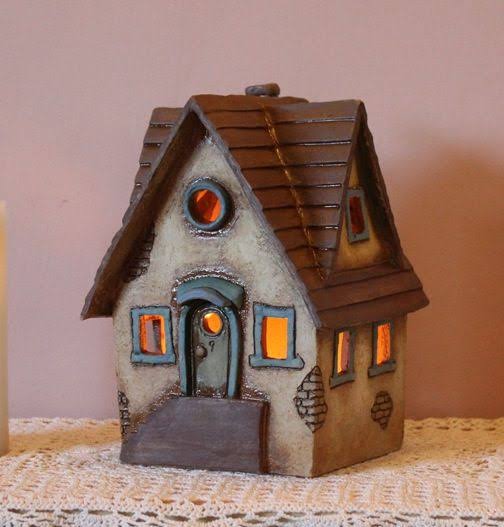
As people become more conscious of environmental issues, sustainable housing is becoming increasingly important.
Clay houses support sustainable living by:
- Reducing carbon emissions
- Using renewable natural materials
- Lowering energy consumption
- Minimizing construction waste
- Promoting local resource utilization
These advantages make clay homes a practical choice for environmentally responsible homeowners.
Challenges of Clay House Construction
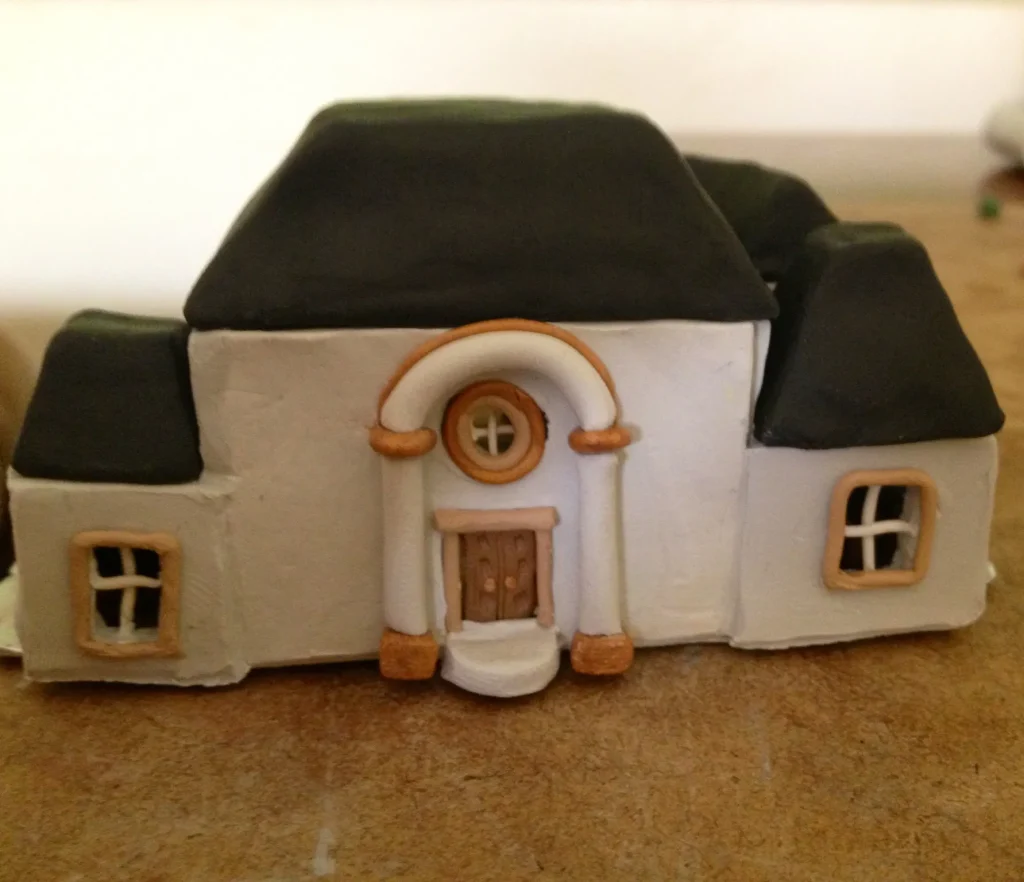
While clay houses offer numerous benefits, there are some considerations:
Moisture Protection
Proper design and maintenance are essential to protect clay walls from excessive water exposure.
Skilled Construction
Building with clay often requires specialized knowledge and craftsmanship.
Building Regulations
Local building codes may vary regarding earth-based construction methods.
Working with experienced professionals can help overcome these challenges.
Modern Applications of Clay Architecture
Today’s architects are combining traditional clay-building techniques with modern design principles.
Contemporary clay houses feature:
- Modern interiors
- Large windows
- Solar energy systems
- Rainwater harvesting
- Energy-efficient layouts
This fusion of tradition and innovation is helping clay homes appeal to a new generation of homeowners.
Why Clay Houses Are Gaining Popularity

Several factors are driving renewed interest in clay homes:
- Rising awareness of sustainability
- Increasing energy costs
- Demand for eco-friendly housing
- Interest in natural building materials
- Desire for healthier living environments
As these trends continue, clay houses are likely to become an increasingly important part of sustainable architecture.
Conclusion
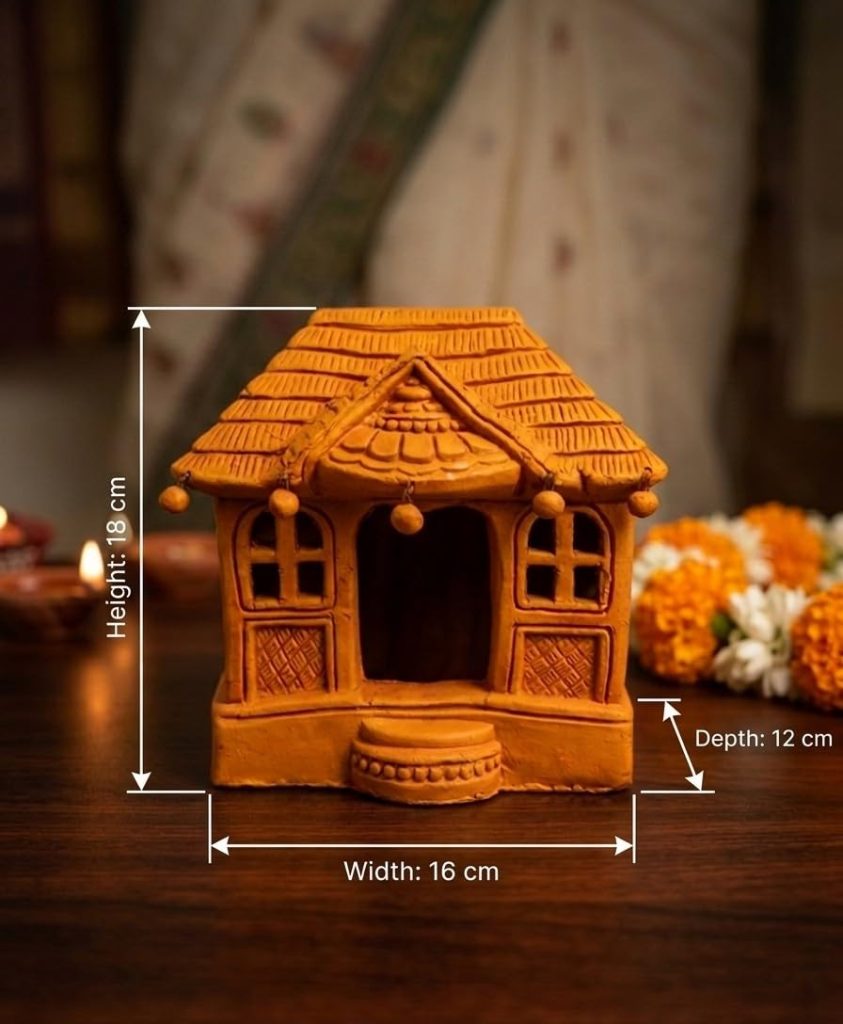
A clay house is much more than a traditional dwelling. It is a sustainable, energy-efficient, and environmentally responsible housing solution that offers comfort, beauty, and durability.
As homeowners seek greener alternatives to conventional construction, clay homes are proving that ancient building wisdom can provide practical solutions for modern living. Whether you’re interested in sustainable architecture or planning your dream eco-home, a clay house is a timeless choice worth considering.