
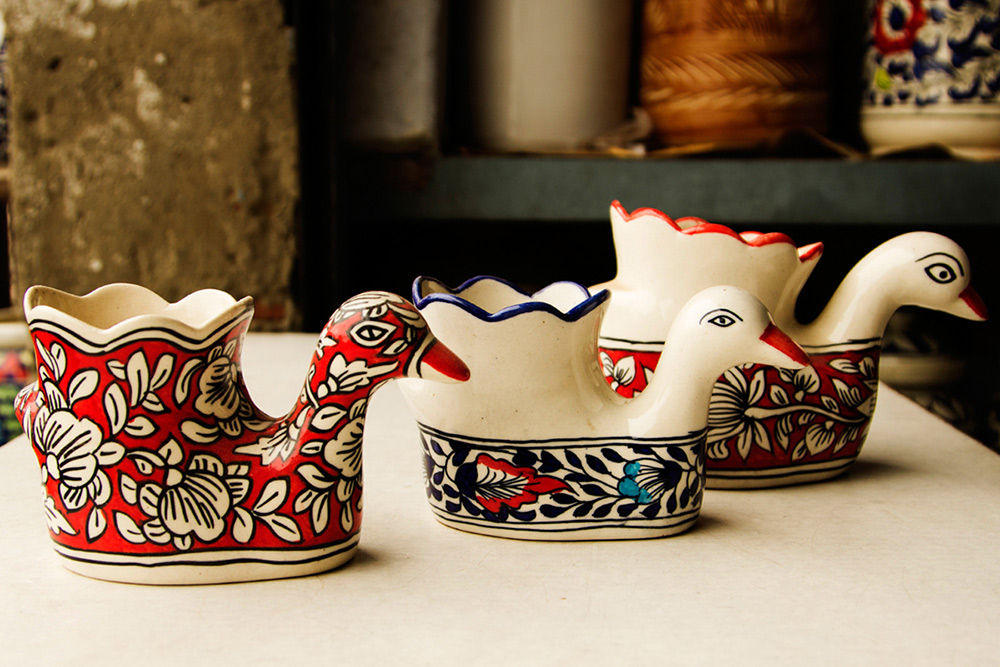
Ceramic materials have been shaping human civilization for thousands of years. From ancient pottery and decorative artifacts to modern dinnerware, tiles, sanitaryware, and industrial components, ceramics continue to play a vital role in our daily lives.
Today, ceramic materials are valued not only for their beauty but also for their durability, heat resistance, and sustainability. Whether you are a homeowner, interior designer, manufacturer, or simply curious about ceramics, understanding ceramic materials can help you appreciate why they remain one of the most versatile materials in the world.
In this comprehensive guide, we’ll explore what ceramic materials are, their types, properties, applications, and why they continue to be in high demand across industries.
What Is Ceramic Material?
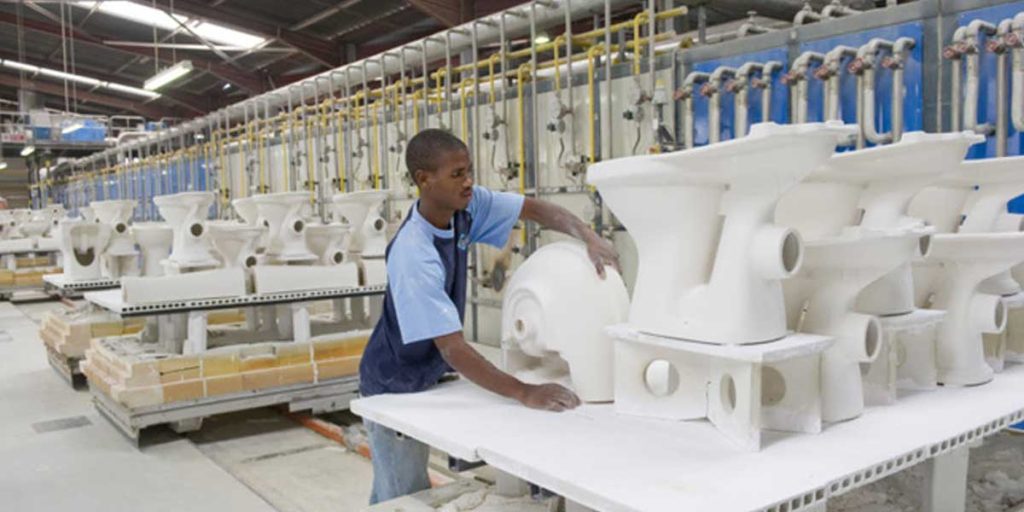
Ceramic material is a non-metallic, inorganic material typically made from natural minerals such as clay, silica, feldspar, and quartz. These materials are shaped and then fired at high temperatures to create strong, durable products.
Unlike plastic or metal, ceramics offer exceptional resistance to heat, corrosion, and wear. This makes them suitable for both decorative and functional applications.
Main Raw Materials Used in Ceramics
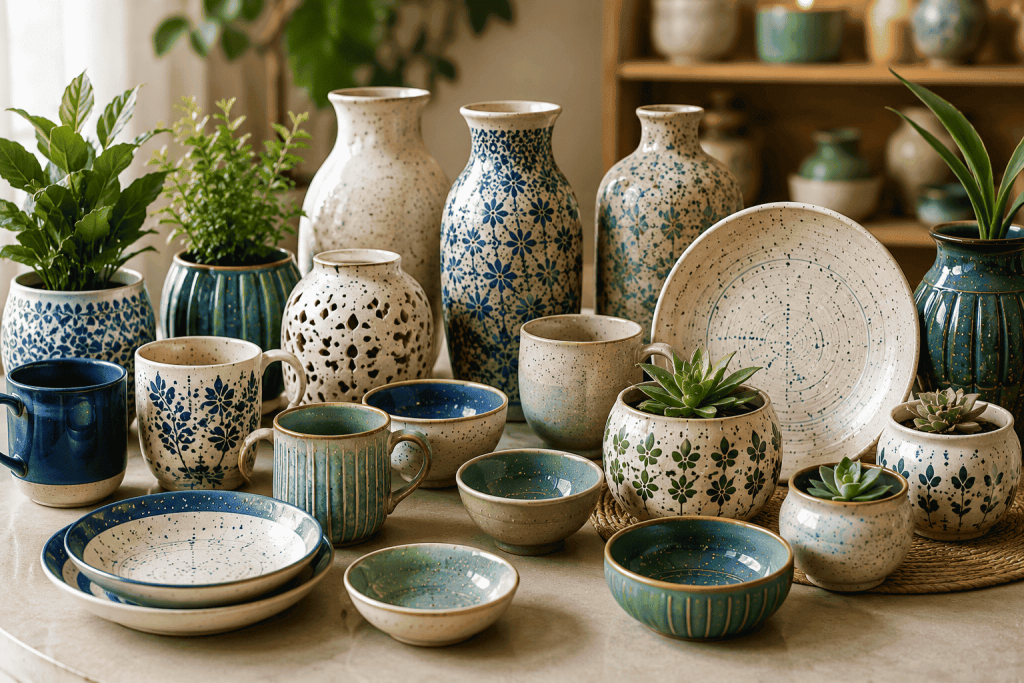
The quality of a ceramic product depends largely on the materials used during manufacturing.
Clay
Clay is the primary ingredient in most ceramic products. It provides plasticity and allows the material to be shaped easily.
Feldspar
Feldspar acts as a flux, helping ceramic materials melt and fuse together during firing.
Quartz
Quartz improves strength and helps control shrinkage during the manufacturing process.
Kaolin
Kaolin is a high-quality white clay commonly used in fine ceramics and porcelain.
Silica
Silica improves durability and contributes to the structural integrity of ceramic products.
Types of Ceramic Materials
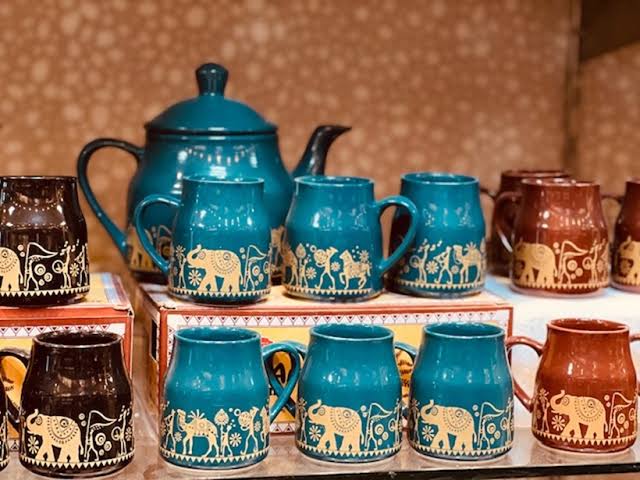
Earthenware
Earthenware is one of the oldest forms of ceramics. It is fired at relatively low temperatures and is often used for decorative items and pottery.
Common Uses:
- Decorative pottery
- Planters
- Handcrafted ceramics
Stoneware
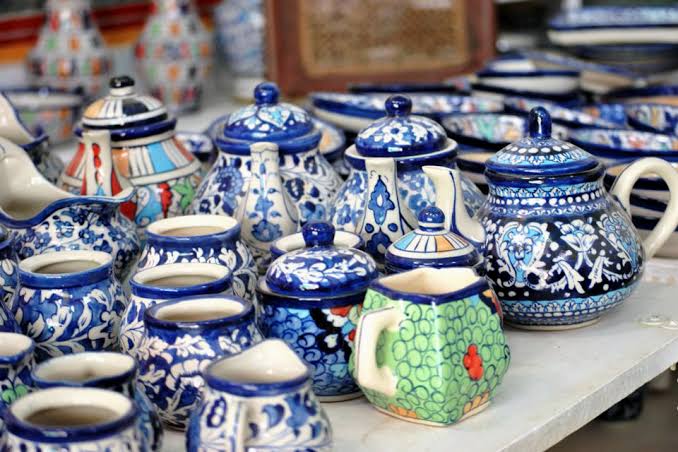
Stoneware is stronger and more durable than earthenware due to higher firing temperatures.
Common Uses:
- Dinnerware
- Mugs
- Serving bowls
- Kitchenware
Porcelain
Porcelain is known for its smooth texture, elegant appearance, and exceptional strength.
Common Uses:
- Luxury tableware
- Decorative items
- Bathroom fixtures
Advanced Ceramics
Advanced ceramics are engineered for industrial and technological applications.
Common Uses:
- Aerospace components
- Medical equipment
- Electronics
- Automotive parts
Key Properties of Ceramic Materials
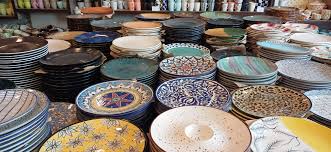
High Durability
Ceramic materials can withstand daily wear and tear while maintaining their appearance for years.
Heat Resistance
One of the most significant advantages of ceramics is their ability to withstand extremely high temperatures.
Corrosion Resistance
Unlike metals, ceramics do not rust or corrode when exposed to moisture.
Eco-Friendly Nature
Ceramic materials are produced from natural resources and can last for decades, reducing waste.
Aesthetic Appeal
Available in countless colors, textures, patterns, and finishes, ceramics offer endless design possibilities.
Applications of Ceramic Materials
Home and Kitchen
Ceramic materials are widely used in:
- Plates
- Bowls
- Cups
- Mugs
- Serving dishes
Interior Decoration
Ceramic products add elegance and character to homes through:
- Decorative vases
- Wall décor
- Planters
- Artistic sculptures
Construction Industry
Ceramic materials are essential in modern construction.
Examples include:
- Floor tiles
- Wall tiles
- Roofing materials
- Sanitaryware
Industrial Applications
Advanced ceramic materials are used in:
- Electronics
- Medical devices
- Machinery components
- Heat-resistant equipment
Why Ceramic Materials Are Becoming More Popular
Consumers today are increasingly looking for products that are durable, sustainable, and aesthetically pleasing.
Ceramic materials meet all these requirements. Unlike disposable alternatives, ceramic products offer long-term value and a timeless appearance. Their eco-friendly nature also aligns with the growing demand for sustainable living solutions.
Ceramic Materials and Sustainability
Environmental awareness has encouraged manufacturers to adopt greener production methods. Modern ceramic manufacturing increasingly focuses on:
- Energy-efficient kilns
- Reduced waste production
- Sustainable raw material sourcing
- Long-lasting product design
Because ceramic products often last for decades, they contribute less waste compared to many synthetic alternatives.
India’s Growing Ceramic Industry
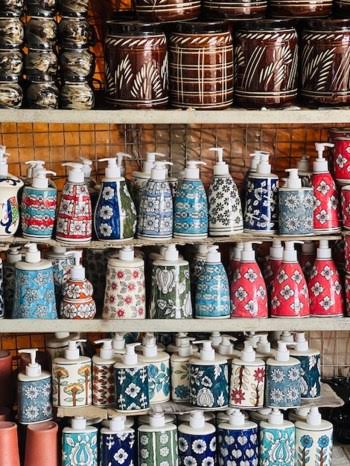
India has become one of the world’s leading ceramic manufacturing destinations. Regions such as Khurja and Morbi are globally recognized for producing high-quality ceramic products.
From handcrafted pottery to large-scale industrial ceramics, Indian manufacturers continue to supply domestic and international markets with innovative ceramic solutions.
Future of Ceramic Materials
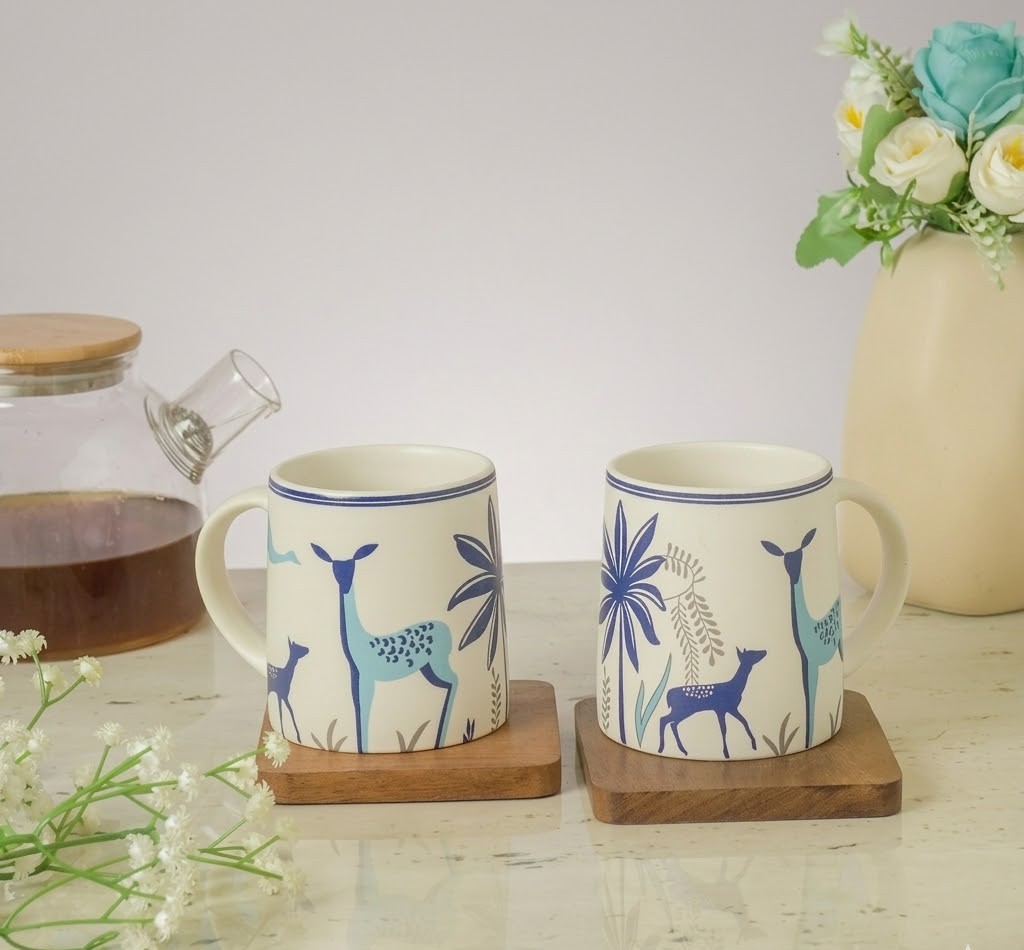
The future of ceramic materials looks promising. Technological advancements are expanding their use in healthcare, renewable energy, electronics, and smart manufacturing.
As industries continue to seek durable and sustainable materials, ceramics will remain an important part of modern innovation.
Conclusion
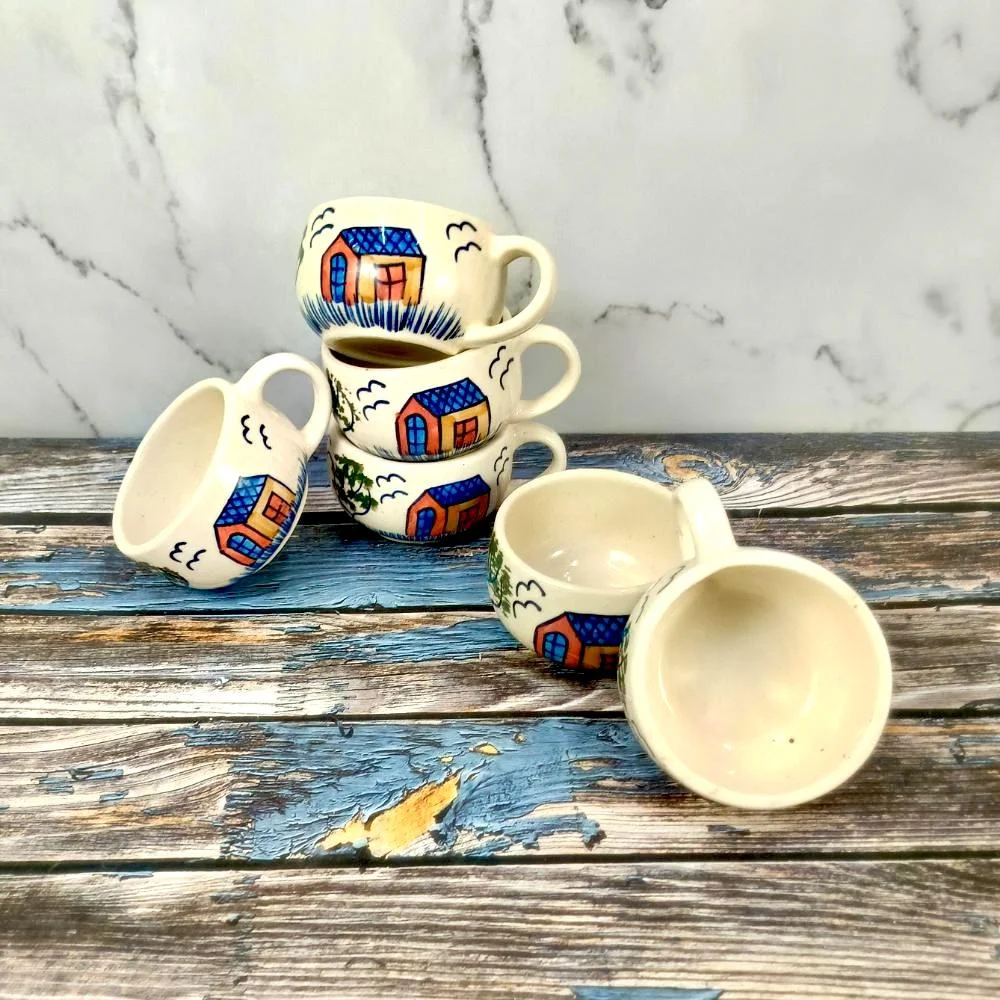
Ceramic materials are much more than simple clay products. They are durable, sustainable, versatile, and essential to countless industries.
Whether used in homes, construction projects, or advanced technology applications, ceramic materials continue to prove their value. As demand for environmentally responsible products grows, ceramics are likely to become even more important in shaping a sustainable future.