
Buying ceramic pots wholesale involves more than finding the lowest price. For retailers, nurseries, interior designers, hotels, landscapers, and distributors, factors such as product quality, consistency, size selection, packaging, customization, minimum order quantities, and delivery reliability can have a major impact on the success of an order.
Before choosing a wholesale ceramic pot supplier, consider:
- Product quality and finish
- Available sizes and designs
- Indoor and outdoor suitability
- Drainage options
- Glaze consistency
- Customization capabilities
- Minimum order quantity (MOQ)
- Wholesale pricing structure
- Packaging standards
- Production capacity
- Delivery timelines
This guide explains what bulk buyers should check before ordering ceramic pots and planters.
Why Is Demand for Wholesale Ceramic Pots Growing?
Plants have become an important part of residential and commercial interior design. Homes, offices, restaurants, hotels, cafés, balconies, and outdoor spaces increasingly incorporate greenery into their design.
As a result, businesses are sourcing planters that serve two purposes: supporting plants and complementing the surrounding décor.
Ceramic pots are particularly attractive in spaces where visual presentation matters.
Wholesale buyers may include:
- Garden centers
- Plant nurseries
- Home décor retailers
- Online stores
- Interior designers
- Architects
- Landscapers
- Hotels and resorts
- Restaurants and cafés
- Corporate offices
- Real estate developers
- Importers and distributors
Each buyer has different requirements, so choosing the right product mix is important.
Types of Ceramic Pots Available for Wholesale
A strong wholesale collection should offer enough variety to serve different customer requirements.
Indoor Ceramic Planters
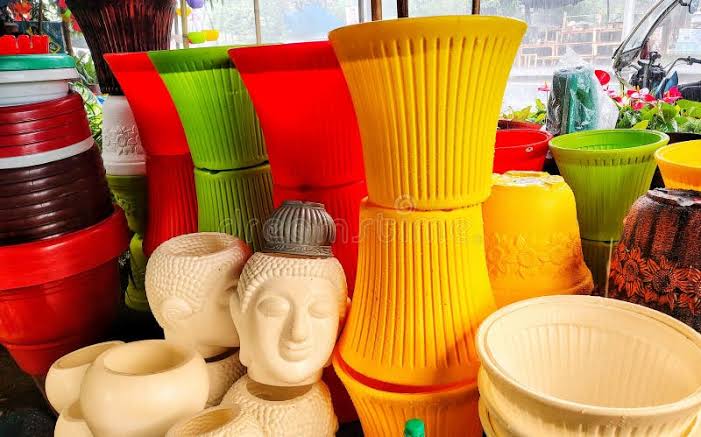
Indoor ceramic pots are often selected for their decorative appearance.
Popular applications include:
- Living rooms
- Bedrooms
- Offices
- Hotel lobbies
- Restaurants
- Reception areas
- Retail spaces
Neutral shades, matte finishes, textured surfaces, and minimalist designs are commonly used in contemporary interiors.
Outdoor Ceramic Pots
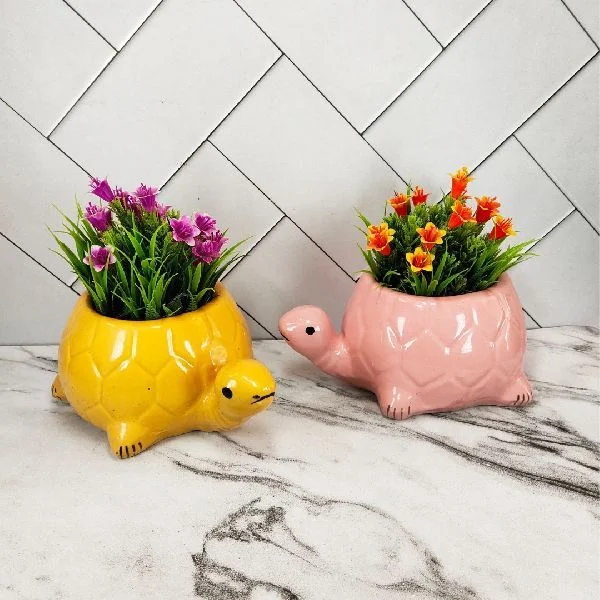
Outdoor ceramic planters are commonly used in:
- Gardens
- Balconies
- Patios
- Terraces
- Building entrances
- Commercial landscapes
Buyers should confirm whether a specific product is intended for outdoor conditions before ordering.
Decorative Ceramic Planters
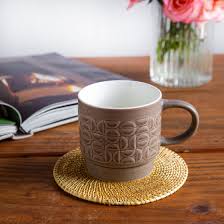
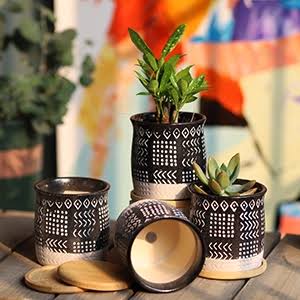
Decorative planters focus heavily on visual design and may feature unique shapes, textures, patterns, or glaze effects.
They are particularly relevant for home décor stores and interior design projects.
Large Ceramic Planters
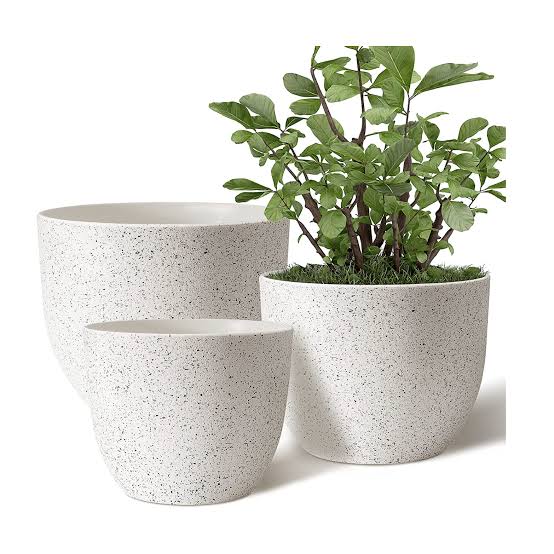
Large planters can be used for statement plants in hotels, restaurants, office buildings, and luxury residential projects.
Because larger ceramics are heavier and require additional packaging, buyers should discuss logistics and handling requirements before placing a bulk order.
Small Ceramic Pots
Small pots are suitable for:
- Succulents
- Cacti
- Desk plants
- Gift sets
- Retail displays
They can be attractive products for garden centers, gift stores, and online retailers.
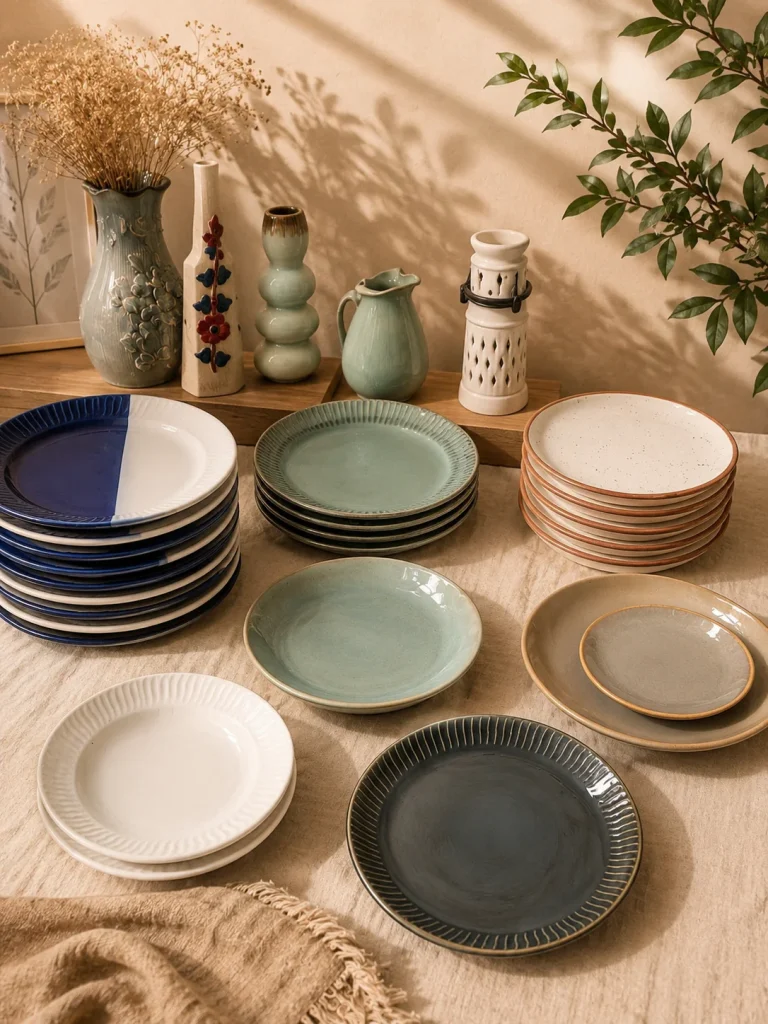
10 Things to Check Before Buying Ceramic Pots Wholesale
1. Check the Overall Product Quality
Price is important in wholesale purchasing, but inconsistent quality can quickly become expensive.
Before placing a large order, inspect samples for:
- Cracks
- Chips
- Uneven surfaces
- Glaze consistency
- Structural stability
- Finishing quality
Minor variations can naturally occur in handcrafted ceramics. However, significant structural defects should not be confused with handmade character.
Expert Tip: Request representative samples before confirming a large wholesale order. A sample helps you evaluate the actual color, weight, glaze, and finish rather than relying entirely on photographs.
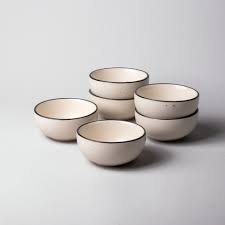
2. Ask About Minimum Order Quantity
Wholesale suppliers may have minimum order quantity requirements.
MOQ can vary depending on:
- Product size
- Design
- Customization
- Glaze
- Packaging
- Production method
Before requesting a quotation, prepare an approximate quantity requirement.
3. Choose the Right Product Mix
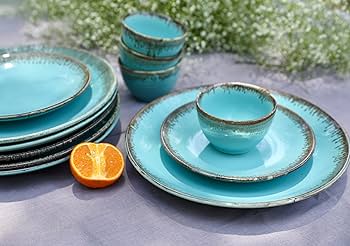
Avoid ordering only one size unless you know your customers specifically want it.
Retailers may benefit from offering a balanced collection of:
- Small pots
- Medium planters
- Large floor planters
This gives customers options for different plants and spaces.
4. Understand Glaze and Finish Options
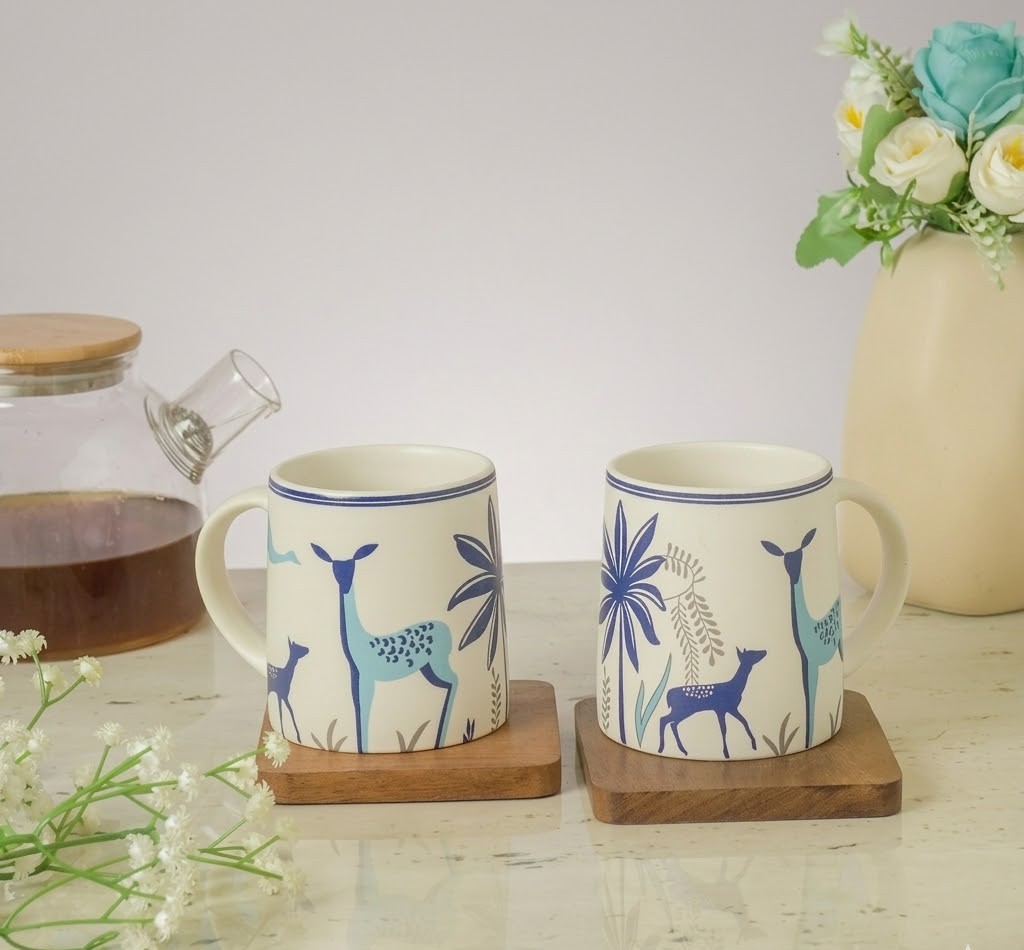
Ceramic pots can have very different visual characteristics depending on their finish.
Popular options include:
- Glossy
- Matte
- Textured
- Reactive glaze
- Hand-painted
- Natural or earthy finishes
If consistency is critical for a commercial project, discuss acceptable variations with your supplier before production.
5. Check Drainage Options
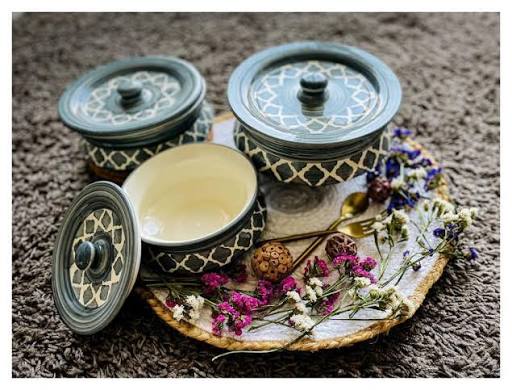
Some customers want planters with drainage holes, while others prefer decorative cover pots without them.
For wholesale orders, clarify:
- Drainage hole requirements
- Number of holes
- Plug availability
- Saucer requirements
This is particularly important when sourcing products for nurseries or garden retailers.
6. Ask About Customization
Customization can help retailers and hospitality businesses create distinctive collections.
Depending on manufacturing capabilities, customization may include:
- Colors
- Glazes
- Shapes
- Sizes
- Patterns
- Branding
- Packaging
Custom production may require higher MOQs and longer lead times, so discuss requirements early.
7. Evaluate Packaging Quality
Ceramics require careful packaging because they can be damaged by impact during transportation.
Ask the supplier about:
- Individual product protection
- Inner packaging
- Carton quality
- Product separation
- Export packaging, if applicable
Good packaging doesn’t guarantee zero breakage, but it can significantly reduce transportation risk.
8. Understand the Pricing Structure
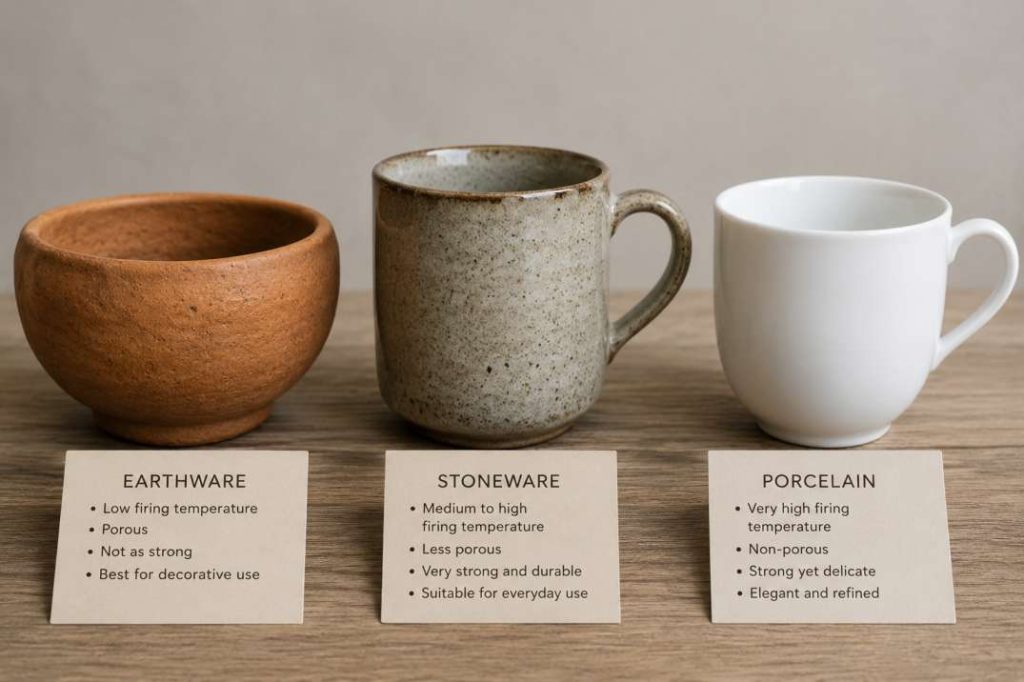
Wholesale ceramic pot pricing can vary based on:
- Size
- Weight
- Design complexity
- Glaze
- Order quantity
- Customization
- Packaging
- Transportation
Instead of comparing only the unit price, calculate the total landed cost of your order.
A slightly cheaper product can become more expensive if it requires better packaging or has higher damage rates.
9. Check Production Capacity and Lead Time
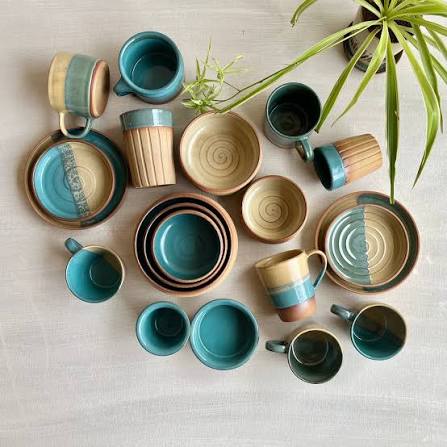
Large orders require production planning.
Before confirming an order, ask:
- How long will production take?
- Is the product currently in stock?
- How much can be produced per month?
- Does customization affect the timeline?
- When can dispatch begin?
Clear timelines are particularly important for seasonal retail launches and commercial projects.
10. Choose a Supplier You Can Communicate With
Wholesale relationships often involve repeat orders.
A reliable supplier should provide clear communication regarding:
- Product specifications
- Pricing
- Production status
- Packaging
- Dispatch
- Customization
Good communication can be just as important as product quality when building a long-term supplier relationship.
Ceramic Pots Wholesale Price: What Determines the Cost?
There is no single wholesale price for ceramic pots.
The final cost depends on several variables.
| Factor | How It Can Affect Cost |
|---|---|
| Pot Size | Larger products generally require more material |
| Design | Complex designs may require additional production work |
| Glaze | Specialty finishes may affect pricing |
| Quantity | Larger orders may qualify for different pricing |
| Customization | Custom designs can increase development costs |
| Packaging | Stronger packaging adds cost but helps protect products |
| Shipping | Depends on distance, volume, and weight |
For accurate pricing, provide your supplier with the product type, size, quantity, destination, and customization requirements.
[IMAGE 5 – BULK INVENTORY]
Suggested Image: Rows of finished ceramic planters prepared for quality inspection and bulk packing.
Filename: bulk-ceramic-pots-manufacturer.jpg
ALT Text: Bulk ceramic pots prepared for wholesale supply
Buying Directly from a Ceramic Pot Manufacturer vs a Trader
Bulk buyers may purchase from manufacturers, wholesalers, or trading companies.
Buying directly from a manufacturer can be useful when you need:
- Large quantities
- Repeat production
- Custom colors
- Specific sizes
- Private collections
A trader may offer access to products from multiple manufacturers, which can be useful when you need a broader mixed selection.
The best option depends on your order size and business model.
Why Khurja Is an Important Ceramic Manufacturing Hub
Khurja, located in Uttar Pradesh, has a long-established association with pottery and ceramic production.
The region is known for producing a variety of ceramic products, including tableware, decorative items, planters, and household ceramics.
For wholesale buyers, sourcing from an established manufacturing region can provide access to experienced craftspeople and a broad manufacturing ecosystem.
Who Can Buy Ceramic Pots in Bulk?
Wholesale ceramic planters can serve many types of businesses.
Nurseries and Garden Centers
Offer customers decorative alternatives to basic plastic nursery pots.
Home Décor Retailers
Build collections around current interior trends and seasonal colors.
Interior Designers and Architects
Source coordinated planters for residential and commercial projects.
Hotels and Restaurants
Use large decorative planters to add greenery to entrances, lobbies, dining spaces, and outdoor areas.
Online Sellers
Create curated planter collections for home and gardening customers.
Importers and Distributors
Source larger quantities for distribution across domestic or international markets.
Questions to Ask a Ceramic Pots Wholesale Supplier
Before confirming your order, ask:
- What is your MOQ?
- Can I order samples?
- Which sizes are available?
- Do you offer custom colors and glazes?
- Can you manufacture custom designs?
- What is the expected production lead time?
- How are ceramic pots packaged?
- Do you supply products for indoor and outdoor use?
- What are your payment terms?
- How do you handle damaged goods or quality issues?
Having clear answers before ordering reduces misunderstandings later.
About Sourcing Ceramic Pots from Khurja Ceramics
At Khurja Ceramics, we work with buyers looking for ceramic products for retail, décor, hospitality, landscaping, and other commercial requirements.
Depending on the product and order requirements, buyers can discuss:
- Ceramic planter collections
- Different sizes and finishes
- Bulk quantities
- Customization requirements
- Packaging requirements
- Commercial supply
For wholesale inquiries, provide as much information as possible about the product style, quantity, required sizes, delivery destination, and expected timeline. This makes it easier to provide relevant product options and an accurate quotation.
Frequently Asked Questions About Ceramic Pots Wholesale
Where can I buy ceramic pots wholesale in India?
Ceramic pots can be sourced from manufacturers and wholesale suppliers in major ceramic manufacturing regions such as Khurja. Compare suppliers based on product quality, pricing, MOQ, customization, packaging, and delivery capabilities.
Can I order customized ceramic pots in bulk?
Customization may be available depending on the manufacturer and order quantity. Discuss colors, sizes, glazes, designs, and branding requirements directly with your supplier.
What is the minimum order quantity for wholesale ceramic pots?
MOQ varies by supplier and product. Standard products may have different requirements from custom-manufactured designs.
How are ceramic pots packed for bulk transportation?
Packaging methods vary depending on product size and destination. Ask your supplier for details about individual protection, cartons, separators, and shipping arrangements.
Can ceramic pots be supplied to hotels and interior designers?
Yes. Ceramic planters are commonly sourced for hospitality and interior projects, particularly for lobbies, restaurants, offices, balconies, and landscaped spaces.
Are all ceramic pots suitable for outdoor use?
No. Suitability depends on the ceramic body, glaze, construction, and local weather conditions. Confirm intended use with the supplier before placing a bulk order.
Can I request samples before ordering?
Many wholesale suppliers offer samples, although sample and shipping charges may apply. Confirm the supplier’s sample policy directly.
Final Thoughts
Finding the right ceramic pots wholesale supplier is not simply about choosing the lowest quotation.
Product quality, consistency, packaging, customization, production capacity, and communication all affect the success of a wholesale order.
Start with samples, define your requirements clearly, and compare the total value offered by each supplier. Whether you’re sourcing for a nursery, retail store, hotel, interior project, or distribution business, taking time to evaluate these factors can help you build a more reliable supply chain.
For businesses interested in sourcing ceramic planters from Khurja, contact Khurja Ceramics with your required sizes, quantities, designs, and delivery location to discuss suitable wholesale options.