
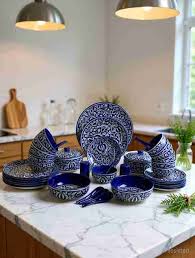
Ceramic pots can be an excellent choice for plants when you select the right size, drainage setup, and material for the plant’s needs. They are especially popular for indoor plants because their weight provides stability and their wide range of colors, textures, and finishes makes them easy to incorporate into home décor.
However, not every ceramic pot works for every plant. An unglazed clay-based pot behaves differently from a fully glazed ceramic planter, and drainage is an important consideration.
This guide will help you choose a ceramic pot that works for both your plant and your space.
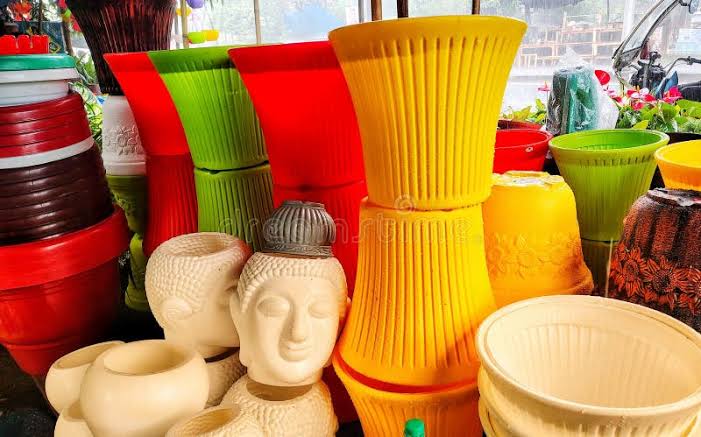
A naturally styled living room with several green indoor plants displayed in handcrafted ceramic pots of different sizes.
Why Are Ceramic Pots Popular for Plants?
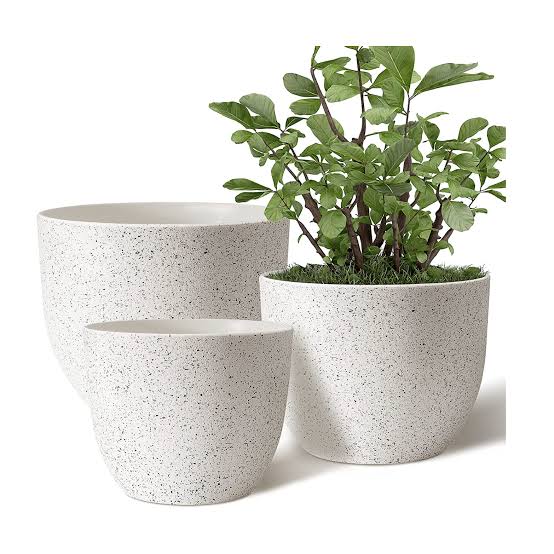
Walk into a modern home, café, office, or hotel and you’ll often find plants displayed in ceramic planters. There is a practical reason for their popularity: ceramics combine function with design.
Compared with lightweight plastic containers, ceramic pots tend to feel more substantial. Their weight can provide stability for taller plants, while the variety of glazes, shapes, and handcrafted finishes makes them useful as decorative objects in their own right.
Ceramic pots are commonly used for:
- Indoor houseplants
- Flowering plants
- Succulents and cacti
- Herbs
- Balcony gardens
- Decorative plant displays
- Office greenery
- Hotel and restaurant interiors
The key is matching the pot to the plant rather than choosing based on appearance alone.
Glazed vs Unglazed Ceramic Pots: What’s the Difference?
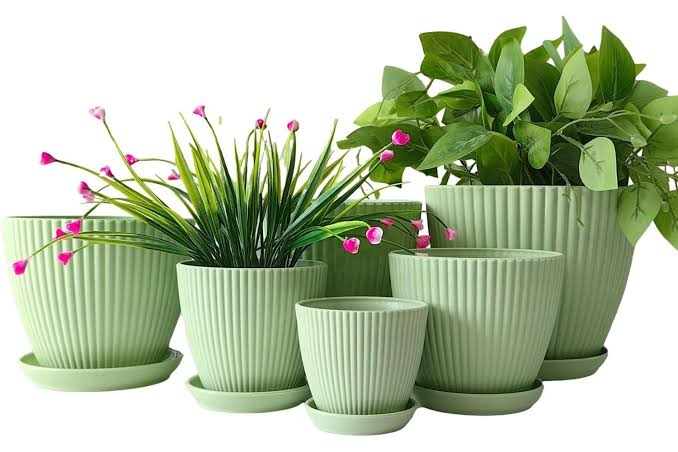
This is one of the most important distinctions to understand when shopping for ceramic plant pots.
Glazed Ceramic Pots
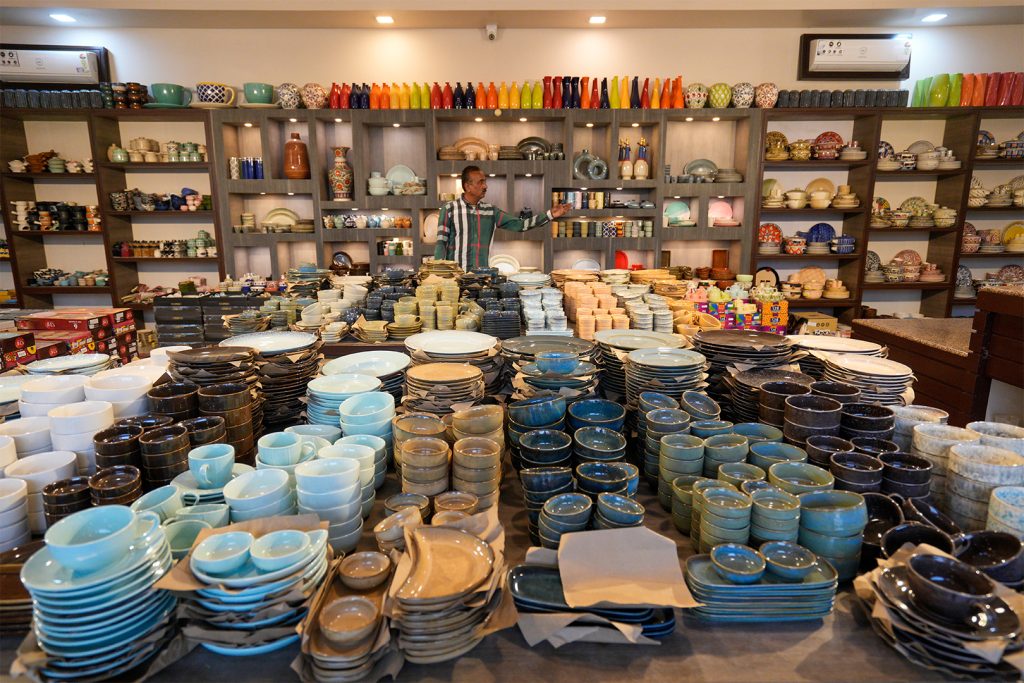
Glazed pots have a coated surface that generally reduces the movement of moisture through the walls of the pot. They are available in many colors and finishes and are particularly popular for decorative indoor use.
They can work well for plants that prefer their potting mix to stay moist for a little longer, depending on drainage and growing conditions.
Unglazed Pots
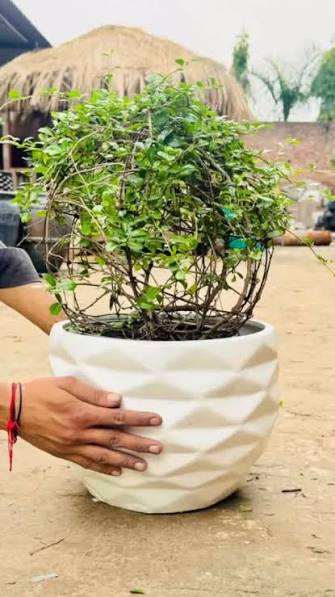
Unglazed clay-based pots are more porous. Moisture can evaporate through the walls more readily, which may allow the potting mix to dry faster.
This can be useful for plants that prefer drier conditions, although watering frequency will depend on the plant, potting mix, temperature, and environment.
Expert Tip: Don’t assume that every ceramic pot behaves the same way. Check whether the pot is glazed, unglazed, and whether it has a drainage hole before deciding which plant to put in it.
7 Benefits of Ceramic Pots for Plants
1. They Add Style Without Taking Attention Away from the Plant

A beautiful pot should complement the plant growing inside it.
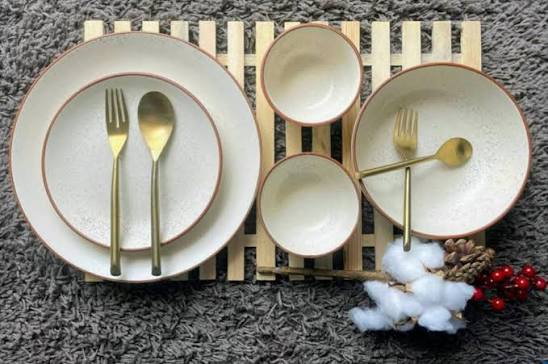
Neutral ceramic pots in white, beige, grey, and earthy tones can create a calm, minimalist look. Bold glazed pots, on the other hand, can become decorative accents in colorful interiors.
2. Their Weight Provides Stability
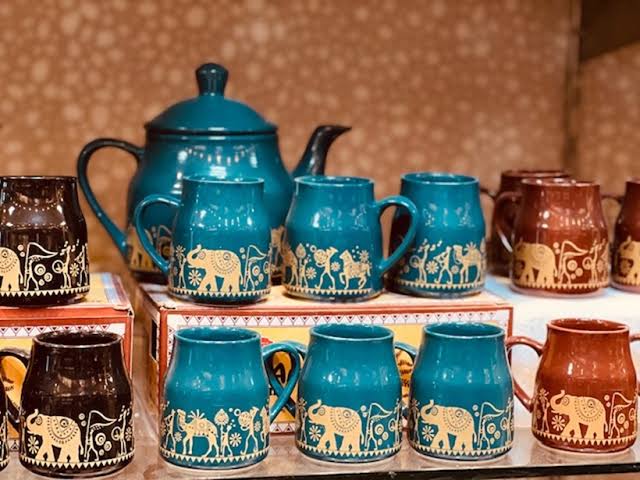
Ceramic pots are generally heavier than plastic alternatives. This can make them a useful choice for taller plants that may otherwise become top-heavy.
Large plants such as rubber plants, palms, and fiddle-leaf figs can benefit from a stable planter, provided the pot size suits the root system.
3. They Are Available in Many Designs
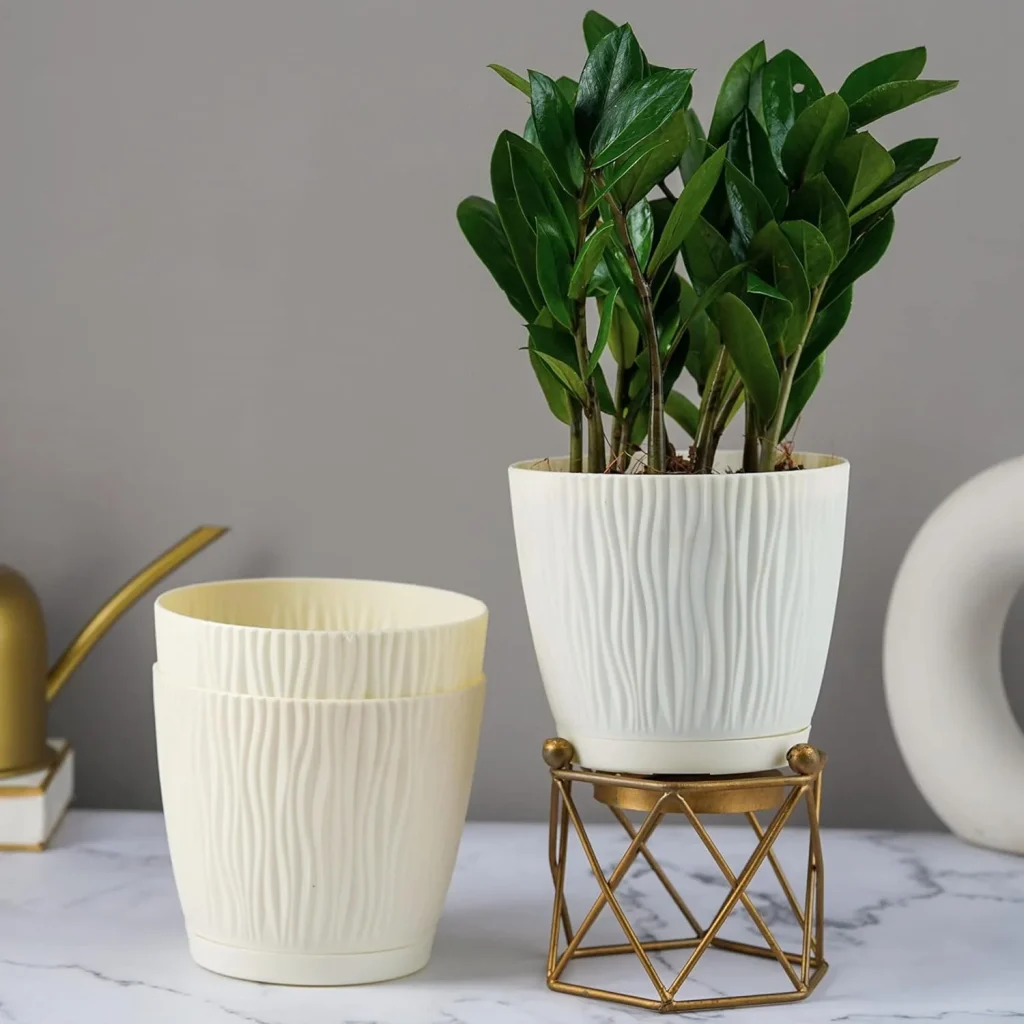
Ceramic planters can be:
- Glossy
- Matte
- Textured
- Hand-painted
- Minimalist
- Rustic
- Traditional
- Contemporary
This makes it easier to coordinate plant pots with your furniture and overall interior style.
4. They Work Well in Indoor Spaces
Ceramic pots are popular in living rooms, bedrooms, offices, reception areas, and dining spaces because they combine greenery with decorative appeal.
5. They Can Last for Years
A well-made ceramic planter can have a long usable life when handled and stored correctly.
Like most pottery, however, ceramic can chip or break if dropped or subjected to strong impacts.
6. They Can Be Used as Decorative Cover Pots
A ceramic pot without drainage can sometimes be used as a decorative outer planter, or cachepot, with the plant remaining inside a separate nursery pot.
This arrangement can make watering easier while protecting indoor surfaces, provided excess water is emptied and not allowed to collect around the inner pot.
7. Handmade Pots Bring Individual Character
Handcrafted ceramic pots may show subtle differences in glaze, texture, or shape. Rather than looking identical, these variations can give each planter its own personality.
How to Choose the Right Ceramic Pot for Your Plant
1. Start with the Plant, Not the Pot
It is easy to fall in love with a beautiful planter and then try to find a plant for it.
For better results, reverse the process.
First consider:
- How large the plant is
- How quickly it grows
- Its watering requirements
- Its root system
- Whether it will live indoors or outdoors
Then choose an appropriate pot.
2. Choose the Right Size
A pot that is much too large can hold more wet potting mix than a small root system can use efficiently. A pot that is too small may restrict growth and require more frequent watering.
When repotting, choose a size appropriate for the plant’s current root system rather than jumping immediately to an oversized container.
3. Pay Attention to Drainage
For many plants, drainage is one of the most important considerations.
A drainage hole allows excess water to escape instead of remaining around the roots.
If your decorative ceramic planter doesn’t have a drainage hole, consider keeping the plant in a removable nursery pot inside it. Remove the inner pot for watering, allow excess water to drain, and return it afterward.
Never allow water to sit unnoticed at the bottom of the decorative pot for extended periods.
4. Think About Placement
For indoor use, consider:
- Floor protection
- Available sunlight
- Humidity
- Ease of watering
- Space around the plant
For outdoor use, consider:
- Rain exposure
- Drainage
- Temperature changes
- Direct sunlight
- Wind
- Stability
Not every decorative ceramic product is designed for year-round outdoor exposure, so check the manufacturer’s recommendations.
Best Plants for Ceramic Pots
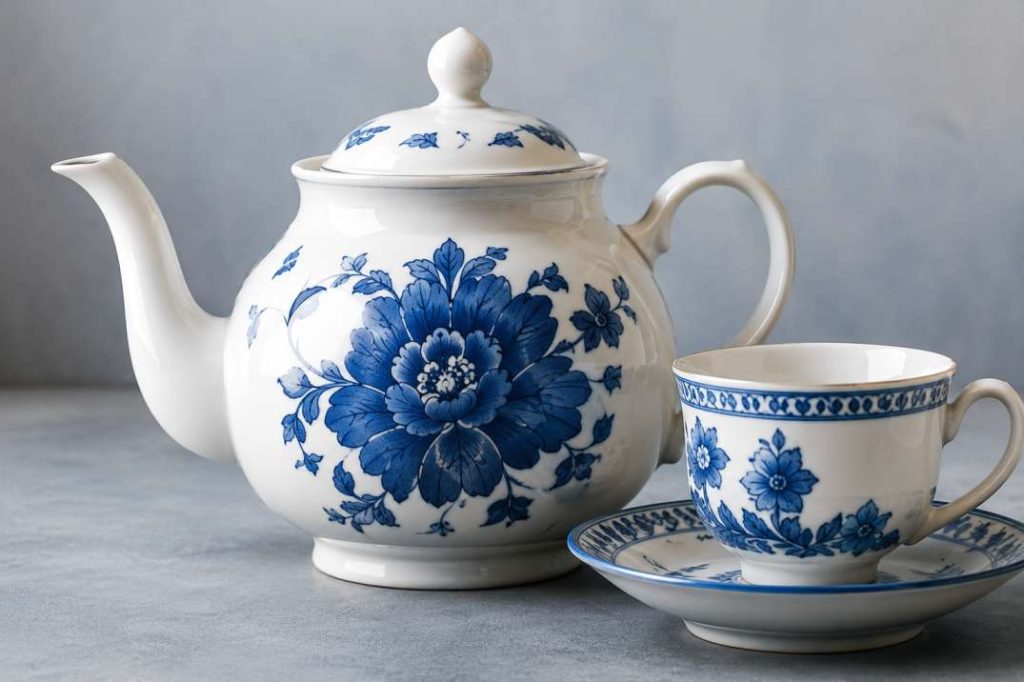
Ceramic pots can accommodate many plant varieties when the pot, drainage, and growing conditions are appropriate.
Popular choices include:
Snake Plant
Known for its upright growth and architectural appearance, making it attractive in tall ceramic planters.
Pothos
Trailing pothos plants look beautiful in ceramic pots placed on shelves or elevated surfaces.
Peace Lily
The dark green leaves of a peace lily can create an attractive contrast with white or neutral ceramic planters.
ZZ Plant
Its structured foliage pairs well with minimalist ceramic pots.
Rubber Plant
Larger ceramic floor planters can provide a visually balanced base for mature rubber plants.
Succulents
Small ceramic pots are popular for displaying individual succulents on desks, shelves, and windowsills.
Ceramic Pots vs Plastic Pots
| Feature | Ceramic Pots | Plastic Pots |
|---|---|---|
| Appearance | Decorative and premium | Wide range, often functional |
| Weight | Heavier | Lightweight |
| Stability | Generally higher | Depends on size and design |
| Portability | Harder to move when large | Easier to move |
| Design Options | Strong decorative appeal | Very wide variety |
| Breakability | Can chip or break | Less likely to shatter |
| Indoor Styling | Excellent | Depends on design |
Neither material is automatically better for every situation.
Choose ceramic when decorative appeal and stability are priorities. Plastic can be practical when lightweight portability is more important.
Suggested Image: Similar houseplants displayed in a ceramic planter and a basic plastic pot.
Common Mistakes to Avoid
Choosing a Pot Only for Its Looks
A beautiful planter is not useful if it doesn’t suit your plant’s requirements.
Ignoring Drainage
Check how excess water will leave the pot before planting directly into it.
Using an Oversized Pot
Bigger isn’t always better. Match the container size to the plant’s root system.
Leaving Standing Water Inside a Cover Pot
If you use a nursery pot inside a decorative ceramic planter, regularly check and remove collected water.
Assuming Every Ceramic Pot Is Suitable Outdoors
Some ceramic finishes may not be intended for prolonged outdoor exposure. Check the product’s recommended use.
Styling Ceramic Pots Around Your Home
Ceramic planters can become part of your interior design.
For a modern living room, try one large statement planter rather than filling every corner with small pots.
For shelves and desks, group smaller pots at different heights.
In a balcony, combine different planter sizes while keeping a consistent color palette.
At an entrance, a pair of larger ceramic planters can create symmetry and visual impact.
A Note on Khurja Ceramic Planters
Khurja has a long association with pottery and ceramic craftsmanship. Today, ceramic makers in the region produce a wide variety of functional and decorative products, including planters in different shapes, glazes, textures, and sizes.
At Khurja Ceramics, our ceramic collection is designed for customers looking for decorative and functional products for homes and commercial spaces.
When choosing any planter, we recommend considering the needs of your plant first, followed by size, drainage, placement, and design.
Frequently Asked Questions
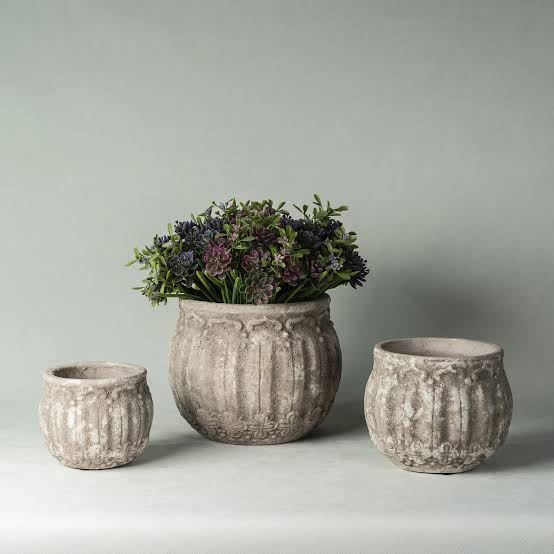
Are ceramic pots good for plants?
Yes, ceramic pots can work well for many plants when the pot size, drainage, and growing conditions suit the specific plant.
Do ceramic pots need drainage holes?
For plants grown directly inside the pot, drainage is generally beneficial because it allows excess water to escape. Pots without drainage can be used as decorative cover pots with an inner nursery container.
Are glazed ceramic pots good for indoor plants?
Yes. Glazed ceramic planters are popular for indoor use because they are decorative and available in many designs. Their moisture behavior differs from unglazed pots, so watering should be adjusted accordingly.
Can ceramic pots be kept outdoors?
Some ceramic pots are suitable for outdoor use, but suitability depends on the product and local weather conditions. Check the manufacturer’s recommendations, particularly in areas with extreme temperature changes.
Are ceramic pots better than plastic pots?
It depends on your priorities. Ceramic offers greater decorative appeal and weight, while plastic is lightweight and easier to move.
What plants look best in ceramic pots?
Snake plants, pothos, peace lilies, ZZ plants, rubber plants, succulents, and many other houseplants can look attractive in ceramic planters.
Final Thoughts
The best ceramic pot is not necessarily the biggest or most decorative one. It is the pot that works with your plant’s needs while fitting naturally into your space.
Before buying ceramic pots for plants, consider four things: plant size, drainage, placement, and pot design. Getting these basics right can make plant care easier while helping you create a more attractive home or garden.
If you appreciate the combination of greenery and handcrafted décor, ceramic planters offer a timeless way to bring plants into your living spaces.