
Ceramic Tableware Manufacturer in India: How to Choose the Right Supplier
When you’re buying ceramic tableware for a home, choosing a design you like is usually enough. But when you’re purchasing 50, 500, or several thousand pieces, the decision becomes very different.
Hotels need tableware that can handle regular service. Restaurants care about presentation, durability, and replacement availability. Retailers need attractive designs at workable wholesale prices. Interior designers may need specific colors, shapes, or finishes for a project.
That is why choosing the right ceramic tableware manufacturer in India matters.
A good manufacturer should offer more than attractive products. You also need consistent quality, suitable packaging, dependable production, clear communication, and the ability to supply according to your requirements.
In this guide, we’ll look at what businesses should consider before choosing a ceramic tableware manufacturer.
What Is Ceramic Tableware?
Ceramic tableware includes the products used for serving, eating, and presenting food and beverages.
Depending on the manufacturer, a collection may include:
- Dinner plates
- Side plates
- Soup bowls
- Serving bowls
- Pasta bowls
- Mugs
- Cups
- Saucers
- Serving platters
- Snack plates
- Dessert plates
- Rice bowls
- Custom tableware
Ceramic tableware can be designed for homes as well as commercial environments such as restaurants, cafés, hotels, resorts, and catering businesses.
IMAGE 1 — HERO
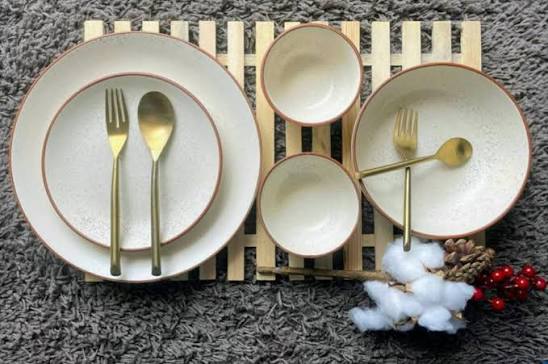
Image: A complete ceramic tableware collection arranged naturally on a dining table.
Filename: ceramic-tableware-manufacturer-india.jpg
ALT: Ceramic tableware manufactured in India
Why Businesses Choose Ceramic Tableware
Ceramic tableware has remained popular because it offers a combination of functionality and visual appeal.
A plain plate is not just something that holds food. In a restaurant, its shape, color, size, and finish can influence how the dish is presented.
For retailers, attractive tableware can become part of a customer’s home décor.
For hotels, coordinated crockery can contribute to the overall dining experience.
This versatility makes ceramic tableware useful across several industries.
Ceramic Tableware for Restaurants
Restaurants often need tableware that looks good while standing up to frequent handling and washing.
Depending on the menu and concept, restaurants may require:
- Large dinner plates
- Side plates
- Deep bowls
- Serving plates
- Dessert plates
- Coffee cups
- Mugs
A fine-dining restaurant may prefer minimalist white or neutral tableware, while a casual restaurant might choose colorful or handcrafted designs.
The important thing is to choose products that fit the restaurant’s actual service requirements.
Ceramic Tableware for Hotels
Hotels typically need larger collections because tableware may be used across restaurants, room service, banquets, cafés, and breakfast areas.
A hotel supplier may therefore need to provide:
- Consistent designs
- Multiple sizes
- Replacement pieces
- Bulk quantities
- Reliable packaging
- Repeat orders
For larger hospitality projects, consistency becomes particularly important.
A plate supplied today should ideally match the same collection ordered later as closely as practical.
Ceramic Tableware for Retail Stores
Retail buyers have a slightly different challenge.
A product may be technically excellent, but if customers don’t find its design appealing, it may remain on the shelf.
Retailers should therefore consider:
- Color trends
- Different price points
- Popular sizes
- Gift-friendly products
- Packaging
- Product photography
- Seasonal collections
Offering a mixture of everyday and premium designs can help retailers serve different customers.
What Should You Look for in a Ceramic Tableware Manufacturer?
Choosing a supplier based only on price can create problems later.
Before placing a large order, evaluate these factors.
1. Manufacturing Capability
First determine whether the company actually manufactures the products or primarily sources them from elsewhere.
Ask about:
- Production facilities
- Manufacturing process
- Product categories
- Production capacity
- Quality control
- Custom production
For repeat commercial orders, manufacturing capability can be especially important.
2. Product Quality
Request samples before committing to a substantial order.
Inspect:
- Shape
- Edges
- Glaze
- Surface finish
- Weight
- Stability
- Color consistency
Small variations can naturally occur in handcrafted ceramics. However, major defects should be identified during quality control.
IMAGE 2 — QUALITY CLOSE-UP
Image: Close-up of ceramic plates showing glaze, rim and surface details.
Filename: ceramic-tableware-quality.jpg
ALT: Quality finish of ceramic tableware
3. Glaze and Finish
The finish can completely change the character of ceramic tableware.
Popular finishes include:
Glossy
Bright and reflective, commonly used for classic tableware.
Matte
A softer contemporary appearance that works particularly well with modern interiors.
Textured
Adds visual and tactile character.
Handcrafted Finishes
These can provide subtle variations that make individual pieces feel distinctive.
If your business requires highly consistent colors, discuss acceptable variations with the manufacturer before production.
4. Custom Ceramic Tableware
Some businesses don’t want standard products.
They may need:
- Custom shapes
- Custom colors
- Specific dimensions
- Special glaze
- Logo application
- Branded packaging
- Custom collections
Custom manufacturing can be particularly useful for restaurants, hotels, designers, and private-label retailers.
However, custom projects may require development time and minimum quantities.
IMAGE 3 — CUSTOM DESIGN
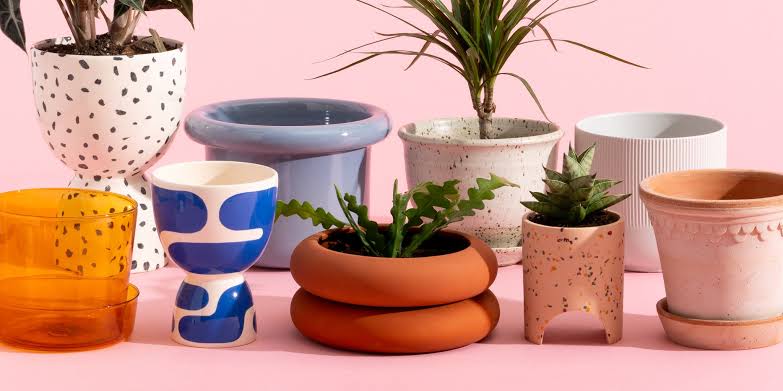
Image: Several ceramic tableware samples showing different shapes, colors and glaze finishes.
Filename: custom-ceramic-tableware.jpg
ALT: Custom ceramic tableware designs for commercial buyers
5. Minimum Order Quantity
Always ask about the MOQ (Minimum Order Quantity) before requesting a quotation.
MOQ can depend on:
- Product
- Size
- Design
- Glaze
- Customization
- Packaging
- Production method
A standard product may have a different MOQ from a completely customized collection.
6. Packaging Matters More Than You Think
Ceramic products need careful handling because they can chip or break during transportation.
Ask your manufacturer how the products will be packed.
Important considerations include:
- Individual protection
- Internal separators
- Carton strength
- Bulk packing
- Palletization when necessary
- Export packaging requirements
IMAGE 4 — PACKAGING
Image: Ceramic plates and bowls being carefully packed into protective cartons.
Filename: ceramic-tableware-packaging.jpg
ALT: Ceramic tableware safely packed for wholesale delivery
Ceramic Tableware Manufacturer vs Wholesale Trader
This is an important distinction for bulk buyers.
| Manufacturer | Trader / Reseller |
|---|---|
| Direct production capability | Sources products |
| Better suited to custom production | May offer multiple brands |
| Can discuss manufacturing details | May offer ready stock |
| Useful for repeat large orders | Useful for mixed product sourcing |
| May support product development | May have broader catalogues |
Neither option is automatically better.
The right choice depends on your quantity, customization requirements, budget, and business model.
Why Khurja Is Important for Ceramic Manufacturing
Khurja in Uttar Pradesh has a long-standing connection with pottery and ceramic production.
The region has developed a broad ecosystem around ceramics, with products ranging from tableware and kitchenware to planters and decorative ceramics.
This makes Khurja an important sourcing destination for businesses looking for ceramic products in India.
IMAGE 5 — KHURJA MANUFACTURING
Image: Authentic photograph of ceramic artisans or workers involved in tableware production in Khurja.
Filename: khurja-ceramic-manufacturer.jpg
ALT: Ceramic manufacturing and craftsmanship in Khurja
How to Compare Two Ceramic Suppliers
Suppose two manufacturers give you similar prices.
Don’t immediately choose the cheaper quotation.
Compare:
| Factor | Supplier A | Supplier B |
|---|---|---|
| Sample quality | ✓ | ✓ |
| Product consistency | ? | ? |
| MOQ | — | — |
| Customization | ✓ | — |
| Packaging | ✓ | ? |
| Lead time | — | — |
| Repeat orders | ✓ | ? |
| Communication | ✓ | ✓ |
The cheapest unit price isn’t necessarily the lowest overall cost.
A supplier with better packaging and fewer quality problems may offer better value in the long run.
Questions to Ask Before Placing a Bulk Order
Before confirming your purchase, ask the manufacturer:
1. Can you provide samples?
2. What is the MOQ?
3. What is the production lead time?
4. Can you manufacture custom designs?
5. Which glaze and finish options are available?
6. How are the products packed?
7. Can I reorder the same design later?
8. What quality checks are performed?
9. Do you supply hotels and restaurants?
10. Do you handle wholesale or export orders?
Getting these details in writing can prevent misunderstandings later.
How Much Does Ceramic Tableware Cost Wholesale?
There isn’t one fixed wholesale price for ceramic tableware.
The price can depend on:
- Product size
- Ceramic body
- Weight
- Design
- Glaze
- Quantity
- Customization
- Packaging
- Shipping
- Order destination
For an accurate quotation, give the manufacturer as much information as possible.
For example:
“We need 1,000 dinner plates, approximately 10 inches, matte finish, white color, individually packed, delivered to Mumbai.”
That is much more useful than simply asking:
“What is your wholesale price?”
Why Samples Should Come Before a Large Order
Photographs don’t tell you everything.
A physical sample lets you check:
- Actual color
- Weight
- Size
- Thickness
- Finish
- Feel
- Packaging
If you’re purchasing for a restaurant or retail business, test the sample under real working conditions where possible.
This simple step can prevent expensive mistakes.
IMAGE 6 — SAMPLE INSPECTION
Image: Business buyer inspecting ceramic plates and bowls before placing a bulk order.
Filename: ceramic-tableware-samples.jpg
ALT: Ceramic tableware samples being inspected before wholesale order
Who Can Source Ceramic Tableware in Bulk?
Ceramic tableware manufacturers commonly work with different types of buyers, including:
Restaurants
For daily service and food presentation.
Hotels
For restaurants, banquets, room service, and hospitality areas.
Cafés
For beverages, desserts, snacks, and light meals.
Retailers
For selling individual pieces or complete dinnerware collections.
Interior Designers
For residential and hospitality projects.
Distributors
For supplying products to multiple retailers.
Online Sellers
For building curated ceramic tableware collections.
Why Handmade Ceramic Tableware Is Different
Handmade ceramic tableware can have a character that mass-produced uniform products sometimes lack.
You may notice subtle differences in:
- Glaze
- Texture
- Shape
- Brushwork
- Color
These variations are not necessarily defects. They can be part of the appeal of handcrafted ceramics.
However, commercial buyers should discuss acceptable variation levels with their manufacturer if they require a coordinated collection.
Choosing the Right Ceramic Tableware for Your Business
Before ordering, write down your requirements.
For a Restaurant
Prioritize:
Durability + presentation + easy replacement
For a Hotel
Prioritize:
Consistency + bulk availability + repeat supply
For a Retail Store
Prioritize:
Design + packaging + price + customer appeal
For an Interior Project
Prioritize:
Design + customization + color consistency
This makes supplier discussions much easier.
Why Choose Khurja Ceramics?
At Khurja Ceramics, we focus on ceramic products designed for both residential and commercial requirements.
Our collections can include:
- Ceramic plates
- Ceramic bowls
- Dinnerware
- Mugs
- Cups
- Servingware
- Kitchen ceramics
- Decorative ceramics
- Ceramic planters
For wholesale and commercial enquiries, buyers can discuss their required products, quantities, designs, finishes, and delivery requirements with our team.
IMAGE 7 — BRAND/PRODUCT COLLECTION
Image: Your actual Khurja Ceramics tableware collection photographed professionally.
Filename: khurja-ceramics-tableware-collection.jpg
ALT: Khurja Ceramics tableware collection
Frequently Asked Questions
What is a ceramic tableware manufacturer?
A ceramic tableware manufacturer produces products such as plates, bowls, cups, mugs and servingware using ceramic materials and manufacturing processes.
Where can I find ceramic tableware manufacturers in India?
Khurja is one of India’s well-known ceramic manufacturing regions. Buyers can compare manufacturers based on quality, product range, MOQ, customization, packaging and production capability.
Can ceramic tableware be customized?
Yes, depending on the manufacturer. Customization may include shape, size, color, glaze, branding and packaging.
Can restaurants buy ceramic tableware wholesale?
Yes. Restaurants can purchase plates, bowls, cups, servingware and other ceramic products in bulk according to their operational requirements.
What should I check before buying ceramic tableware wholesale?
Check sample quality, glaze, dimensions, MOQ, packaging, production time, customization, replacement availability and supplier communication.
Is handmade ceramic tableware suitable for restaurants?
It can be, depending on the product’s construction and intended use. Commercial buyers should confirm the product’s suitability and care requirements with the manufacturer.
Final Thoughts
Choosing a ceramic tableware manufacturer in India should be based on more than price.
The right supplier should understand your requirements and be able to deliver the appropriate combination of quality, design, consistency, production capability and packaging.
Whether you’re a restaurant owner, hotel purchasing manager, retailer, interior designer, or distributor, start with samples and clearly define your requirements before placing a large order.
For buyers interested in sourcing ceramic tableware from Khurja, a direct conversation with the manufacturer can help you find products that fit your quantity, design, and business requirements.