
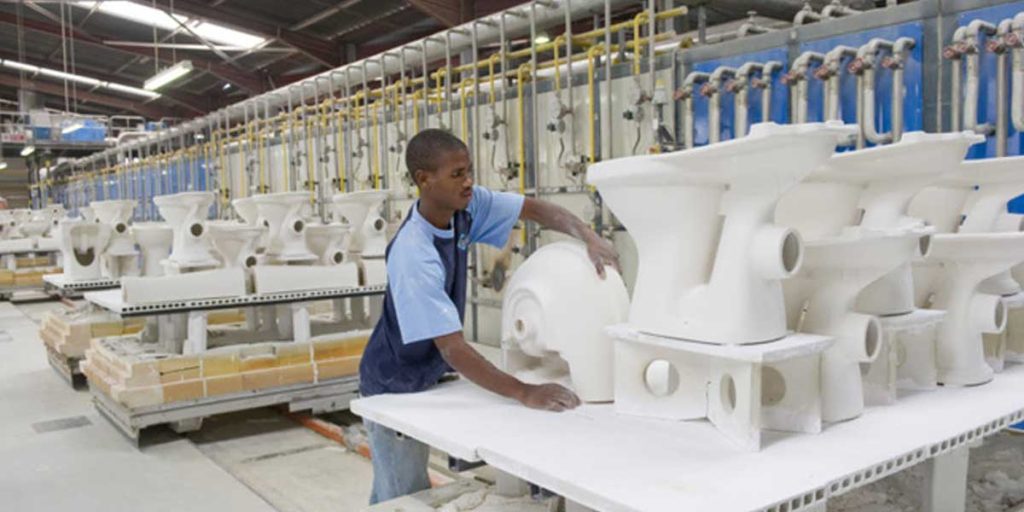
Ceramics have been an essential part of human civilization for thousands of years. From household dinnerware and decorative items to industrial components and sanitaryware, ceramic products are used in almost every aspect of modern life. The ceramic manufacturing industry continues to evolve with advanced technologies, sustainable practices, and innovative designs.
In this guide, we will explore the ceramic manufacturing process, the types of ceramics produced, and why ceramic products remain one of the most preferred materials worldwide.
What is Ceramic Manufacturing?
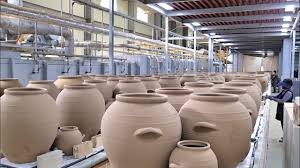
Ceramic manufacturing is the process of converting natural raw materials such as clay, feldspar, quartz, and silica into durable ceramic products through shaping, drying, firing, and finishing techniques.
The process combines traditional craftsmanship with modern production technologies to create products that are strong, heat-resistant, aesthetically appealing, and long-lasting.
Raw Materials Used in Ceramic Manufacturing
The quality of ceramic products depends heavily on the raw materials used. Common materials include:
- Clay
- Kaolin
- Feldspar
- Quartz
- Silica
- Ball Clay
- Alumina
These materials are carefully selected and blended to achieve the desired strength, texture, color, and durability.
Step-by-Step Ceramic Manufacturing Process
1. Raw Material Preparation
The manufacturing process begins with sourcing and preparing raw materials. Clay and minerals are crushed, cleaned, and mixed in precise proportions to create a uniform body composition.
2. Mixing and Blending
Water is added to the raw materials to create a workable mixture. Advanced machinery ensures consistent blending and removes impurities.
3. Shaping and Forming
The ceramic body is shaped into the desired product using various techniques:
- Slip Casting
- Press Molding
- Jiggering and Jollying
- Extrusion
- Handcrafting
The choice of method depends on the product being manufactured.
4. Drying
The shaped products are dried under controlled conditions to remove excess moisture. Proper drying prevents cracks and deformation during firing.
5. Bisque Firing
The dried products are fired in kilns at high temperatures. This process hardens the ceramic body and prepares it for glazing.
6. Glazing
A protective and decorative glaze is applied to enhance appearance, durability, and water resistance. Glazing also gives ceramics their unique colors and finishes.
7. Final Firing
The glazed products undergo a second firing at temperatures ranging from 1,000°C to 1,300°C depending on the type of ceramic.
8. Quality Inspection
Every product is inspected for:
- Surface finish
- Strength
- Color consistency
- Dimensional accuracy
- Durability
Only products meeting quality standards proceed to packaging and distribution.
Types of Ceramic Products
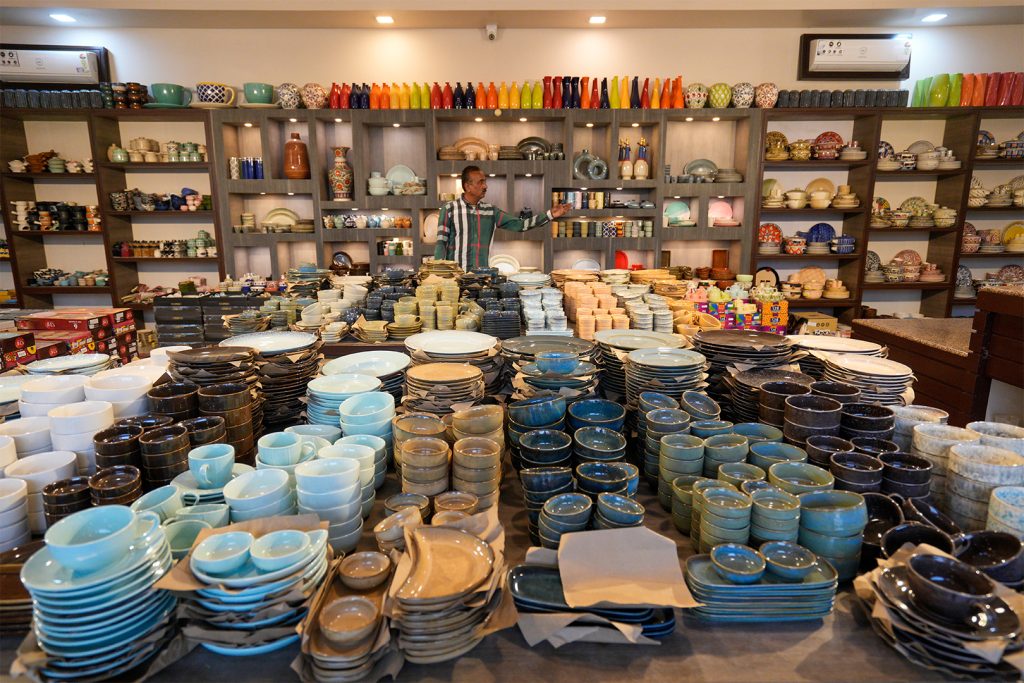
Ceramic manufacturing produces a wide variety of products, including:
Tableware and Dinnerware
- Plates
- Bowls
- Cups
- Mugs
- Serving dishes
Decorative Ceramics
- Vases
- Planters
- Decorative figurines
- Home décor items
Sanitaryware
- Wash basins
- Toilets
- Bathroom accessories
Industrial Ceramics
- Electrical insulators
- Heat-resistant components
- Engineering ceramics
Tiles and Construction Materials
- Floor tiles
- Wall tiles
- Roofing materials
Benefits of Ceramic Products
Durability
Ceramics are highly resistant to wear, heat, and corrosion.
Eco-Friendly
Made from natural materials, ceramics are environmentally sustainable and recyclable.
Aesthetic Appeal
Ceramic products are available in countless colors, patterns, and finishes.
Heat Resistance
They can withstand extremely high temperatures without losing strength.
Low Maintenance
Most ceramic products are easy to clean and maintain.
Ceramic Manufacturing in India
India is one of the world’s leading ceramic manufacturing hubs. Cities such as Khurja, Morbi, and Jaipur are renowned for producing high-quality ceramic products for domestic and international markets.
Khurja, often referred to as the “Ceramic City of India,” has a rich heritage of ceramic craftsmanship and continues to be a major center for ceramic exports and innovation.
Future of the Ceramic Industry
The ceramic industry is rapidly adopting:
- Smart manufacturing technologies
- Energy-efficient kilns
- Sustainable production methods
- Advanced glazing techniques
- Export-oriented production
As global demand for high-quality ceramic products continues to grow, manufacturers are focusing on innovation, quality, and environmentally responsible practices.
Conclusion
Ceramic manufacturing is a fascinating blend of traditional artistry and modern technology. From raw clay to beautifully finished products, every stage of the process contributes to creating durable, functional, and visually appealing ceramics.
Whether used in homes, businesses, or industrial applications, ceramic products continue to play an important role in everyday life. As technology advances and sustainability becomes increasingly important, the future of ceramic manufacturing looks brighter than ever.