
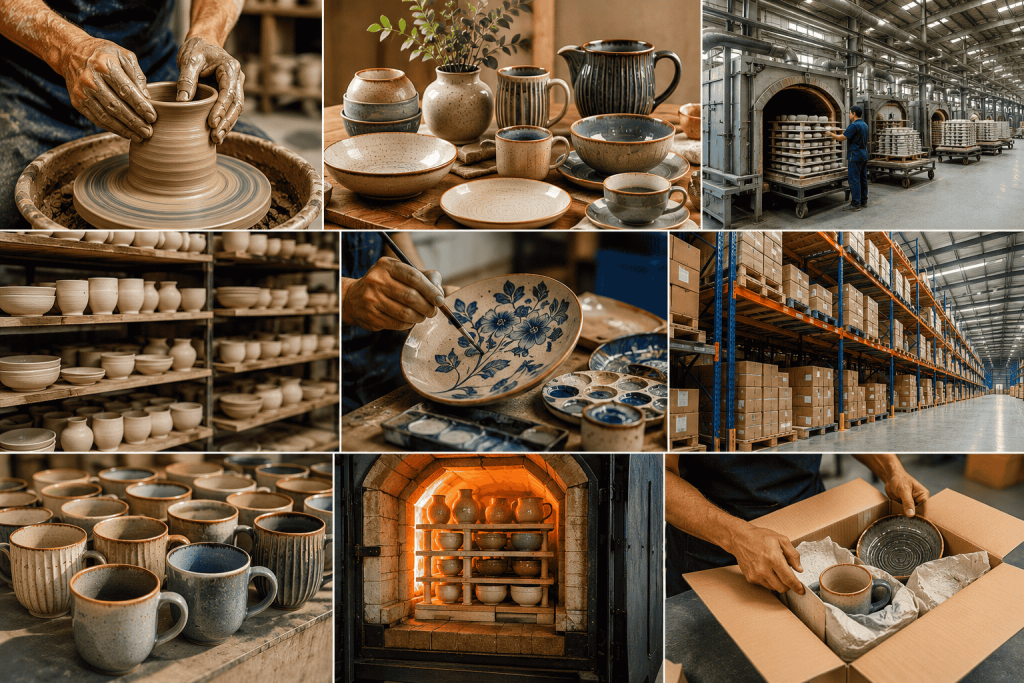
The ceramic industry plays a much bigger role in our daily lives than most people realize. From the coffee mug you use every morning to the tiles in your home and the decorative pottery on your shelves, ceramics are everywhere.
Over the years, the ceramic industry has evolved from traditional pottery-making into a global sector that combines craftsmanship, innovation, technology, and design. Today, ceramics are used in homes, restaurants, offices, hospitals, and even advanced industries such as aerospace and healthcare.
In this article, we’ll explore the ceramic industry, its history, growth, importance, and why it continues to thrive in modern times.
What Is the Ceramic Industry?
The ceramic industry involves the production, design, and distribution of ceramic products made from natural clay and other raw materials.
These products include:
- Tableware
- Dinnerware
- Serving platters
- Decorative pottery
- Tiles
- Sanitaryware
- Kitchenware
- Home décor products
- Industrial ceramics
The industry combines traditional craftsmanship with modern manufacturing techniques to create products that are both functional and beautiful.
The History of the Ceramic Industry
Ceramics have been part of human civilization for thousands of years.
Ancient societies used clay to create:
- Storage vessels
- Cooking pots
- Water containers
- Decorative objects
Over time, pottery techniques became more sophisticated, leading to the development of glazed ceramics, porcelain, and artistic pottery traditions around the world.
Today, the ceramic industry continues to preserve these traditions while embracing modern innovation.
Why the Ceramic Industry Is Important
The ceramic industry contributes significantly to both the economy and everyday life.
Benefits of the Ceramic Industry
- Creates employment opportunities
- Supports local artisans
- Preserves traditional craftsmanship
- Promotes sustainable products
- Drives innovation in manufacturing
- Supplies essential household products
Millions of people worldwide depend on the ceramic industry for their livelihood.
Types of Products in the Ceramic Industry
Ceramic Tableware
Includes:
- Plates
- Bowls
- Cups
- Mugs
- Serving platters
These products are widely used in homes, restaurants, and hotels.
Ceramic Home Décor
Popular items include:
- Vases
- Planters
- Candle holders
- Decorative sculptures
Home décor ceramics have become increasingly popular due to growing interest in handmade and artisan products.
Ceramic Tiles
Ceramic tiles are used for:
- Flooring
- Walls
- Kitchens
- Bathrooms
They are valued for their durability and design versatility.
Sanitaryware
The ceramic industry also produces:
- Wash basins
- Toilets
- Bathroom accessories
These products play an essential role in modern infrastructure.
The Rise of Handmade Ceramics
Consumers today increasingly prefer handmade products over mass-produced alternatives.
Handmade ceramics offer:
- Unique designs
- Artisan craftsmanship
- Premium quality
- Authentic character
As a result, artisan pottery and handcrafted ceramic collections are experiencing strong demand worldwide.
India’s Ceramic Industry
India has become one of the fastest-growing ceramic markets in the world.
Several regions are famous for ceramic production, including:
- Gujarat
- Rajasthan
- Uttar Pradesh
Among them, Khurja is widely recognized as one of India’s most important pottery centers.
Khurja ceramics are admired for:
- Beautiful glazing
- Traditional craftsmanship
- Modern designs
- Affordable luxury
Today, Khurja products are sold across India and exported internationally.
How Ceramics Are Made
The ceramic manufacturing process generally involves several stages.
1. Clay Preparation
Raw materials are mixed and refined.
2. Shaping
Products are formed using:
- Pottery wheels
- Hand-building
- Slip casting
- Molds
3. Drying
Moisture is removed before firing.
4. Glazing
Decorative and protective glaze is applied.
5. Firing
Pieces are heated in a kiln at high temperatures.
The result is a durable ceramic product ready for use.
Modern Trends Shaping the Ceramic Industry
Sustainable Manufacturing
Consumers increasingly prefer eco-friendly products made from natural materials.
Handmade and Artisan Products
People value products with a story and authentic craftsmanship.
Minimalist Designs
Modern consumers prefer clean, simple aesthetics.
Popular colors include:
- Beige
- Sage green
- Ivory
- Terracotta
Custom Ceramic Products
Personalized ceramics are becoming increasingly popular for gifting and home décor.
Challenges Facing the Ceramic Industry
Like many industries, ceramics face certain challenges.
These include:
- Rising production costs
- Energy consumption
- Competition from imports
- Transportation expenses
- Skilled labor shortages
Despite these challenges, demand for quality ceramics continues to grow.
Why Consumers Love Ceramic Products
Ceramics remain popular because they offer a unique combination of:
Beauty
Elegant designs enhance home interiors.
Durability
High-quality ceramics last for many years.
Sustainability
Made from natural materials and reusable.
Versatility
Suitable for dining, decorating, gifting, and daily living.
These qualities make ceramics a preferred choice for modern consumers.
The Future of the Ceramic Industry
The future looks promising for the ceramic industry.
Growing demand for:
- Sustainable products
- Handmade craftsmanship
- Premium home décor
- Designer tableware
Is creating new opportunities for ceramic manufacturers and artisans alike.
As more people appreciate quality over quantity, ceramics are expected to remain an important part of modern lifestyles.
Final Thoughts
The ceramic industry is much more than the production of pottery and tableware. It is a vibrant sector that combines tradition, creativity, craftsmanship, and innovation.
From handcrafted artisan ceramics to large-scale manufacturing, the industry continues to shape homes and lifestyles around the world.
As consumers increasingly value sustainability, authenticity, and timeless design, the ceramic industry is well-positioned for continued growth in the years ahead.
Whether you’re a collector, homeowner, designer, or simply someone who appreciates beautiful products, the world of ceramics offers something truly special.