
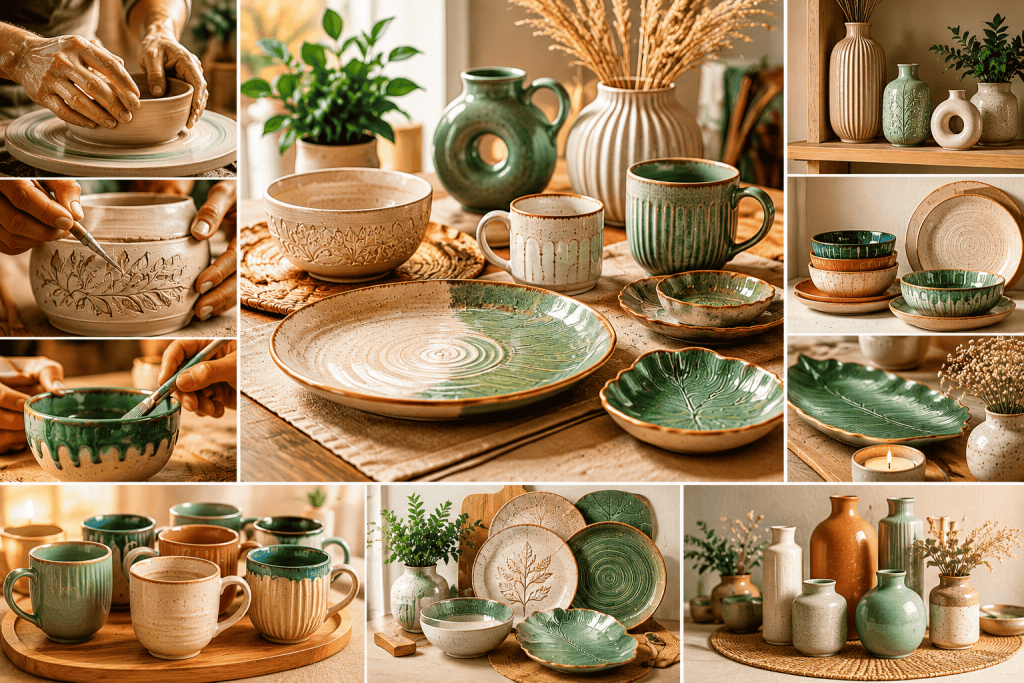
Have you ever picked up a beautifully crafted ceramic mug or admired an elegant serving platter and wondered what makes it so special?
The answer lies in ceramic design.
Ceramic design is more than just creating bowls, plates, and vases. It is the art of transforming simple clay into beautiful, functional pieces that bring style, personality, and warmth into our homes.
From modern minimalist tableware to handcrafted decorative pottery, ceramic design plays an important role in how we experience everyday living. Whether you’re enjoying your morning coffee, hosting a dinner party, or decorating your home, well-designed ceramics can make ordinary moments feel extraordinary.
What Is Ceramic Design?
Ceramic design is the process of creating ceramic products that are both beautiful and functional.
It involves:
- Shape and form
- Texture
- Color
- Glazing
- Patterns
- Practical usability
A good ceramic design balances aesthetics with everyday functionality.
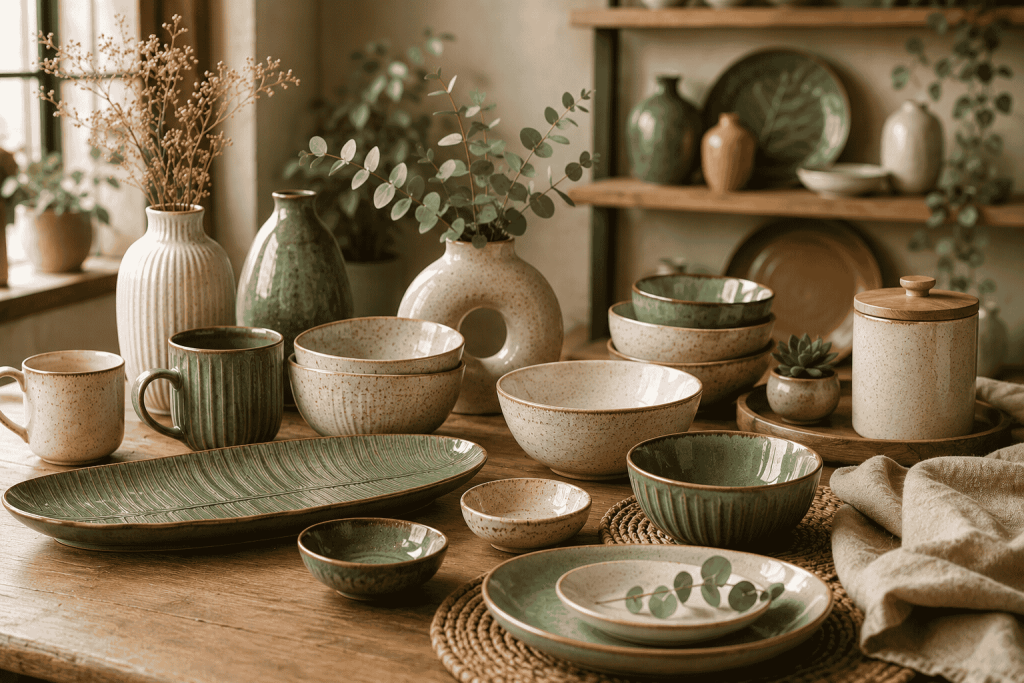
The goal is to create pieces that people enjoy using while also enhancing the overall look of their living spaces.
Why Ceramic Design Matters
Many people think ceramics are simply kitchen products, but thoughtful ceramic design can completely transform a room.
Beautiful ceramics:
- Add character to your home
- Enhance dining experiences
- Create visual interest
- Reflect personal style
- Make everyday routines more enjoyable
A well-designed ceramic piece often becomes a conversation starter and a treasured part of the home.
The Beauty of Handmade Ceramic Design
Handmade ceramics have a unique charm that mass-produced products often lack.
Every handmade piece has:
- Slight variations in shape
- Natural textures
- Unique glaze patterns
- Artisan craftsmanship
These small imperfections make each item one-of-a-kind.
Instead of looking identical, handmade ceramics tell a story through their design.
Popular Ceramic Design Styles
Minimalist Ceramic Design
Minimalist ceramics focus on simplicity and clean lines.
Features include:
- Neutral colors
- Smooth surfaces
- Functional shapes
- Modern aesthetics
These designs work beautifully in contemporary homes.
Rustic Ceramic Design
Rustic ceramics celebrate natural textures and earthy finishes.
Characteristics include:
- Handmade appearance
- Organic shapes
- Matte glazes
- Warm colors
They create a cozy and welcoming atmosphere.
Modern Ceramic Design
Modern ceramic design combines creativity with functionality.
Popular elements include:
- Geometric shapes
- Bold forms
- Unique glazing techniques
- Artistic details
These pieces often serve as both décor and practical tableware.
Traditional Ceramic Design
Traditional designs draw inspiration from cultural heritage and craftsmanship.
They often feature:
- Floral patterns
- Hand-painted artwork
- Classic shapes
- Historical influences
These timeless designs continue to remain popular across generations.
How Ceramic Designers Create Beautiful Pieces
Creating a ceramic product involves several important design stages.
Concept Development
Every ceramic piece begins with an idea.
Designers consider:
- Purpose
- User experience
- Aesthetic appeal
- Current design trends
Sketching and Planning
Initial concepts are translated into sketches and design drawings.
This stage helps refine proportions, shapes, and decorative details.
Material Selection
Different clay bodies create different visual effects and levels of durability.
Designers choose materials based on:
- Intended use
- Desired texture
- Color possibilities
Glazing and Finishing
Glaze is one of the most important aspects of ceramic design.
It affects:
- Appearance
- Texture
- Durability
- Water resistance
A beautiful glaze can completely transform the final product.
Ceramic Design Trends in Modern Homes
Today’s homeowners are embracing ceramics that feel authentic, sustainable, and timeless.
Popular trends include:
Earthy Color Palettes
Colors such as:
- Sage green
- Beige
- Ivory
- Terracotta
- Sand
Create a calming and natural atmosphere.
Organic Shapes
Modern consumers prefer ceramics that feel handmade rather than perfectly uniform.
Popular shapes include:
- Leaf platters
- Curved bowls
- Asymmetrical plates
- Sculptural vases
Nature-Inspired Designs
Designs influenced by nature continue to dominate the ceramic industry.
Examples include:
- Botanical patterns
- Leaf textures
- Stone-inspired finishes
- Natural glazes
Ceramic Design in Home Décor
Ceramics are no longer limited to kitchens.
Today they are widely used throughout the home.
Living Room
Add:
- Decorative vases
- Sculptural ceramics
- Candle holders
Dining Room
Use:
- Serving platters
- Dinnerware
- Centerpieces
Bedroom
Incorporate:
- Ceramic lamps
- Decorative trays
- Small pottery accents
These pieces bring warmth and personality into every space.
Why Ceramic Design Supports Sustainable Living
Many ceramic products are made using natural materials and traditional techniques.
Benefits include:
- Long-lasting durability
- Reduced waste
- Eco-friendly production
- Timeless appeal
Unlike disposable products, quality ceramics can be enjoyed for many years.
This makes them a sustainable choice for modern households.
The Growing Popularity of Artisan Ceramics
Consumers today are increasingly looking for products with meaning and craftsmanship.
Artisan ceramics offer:
- Authenticity
- Handmade quality
- Unique designs
- Emotional connection
People appreciate knowing that a real artisan created the piece they use every day.
Choosing the Right Ceramic Design for Your Home
When selecting ceramic products, consider:
Your Interior Style
Match ceramics with your home’s overall aesthetic.
Functionality
Choose designs that fit your daily needs.
Color Palette
Select colors that complement your existing décor.
Quality
Invest in durable, handcrafted pieces whenever possible.
A few carefully chosen ceramics can have a significant impact on your home’s appearance.
Final Thoughts
Ceramic design is where creativity, craftsmanship, and functionality come together.
From elegant tableware and decorative vases to modern serving platters and artisan home décor, well-designed ceramics enrich everyday life in subtle yet meaningful ways.
As homeowners continue to value authenticity, sustainability, and timeless beauty, ceramic design remains one of the most versatile and inspiring forms of functional art.
Whether you’re decorating a new home or simply upgrading your dining experience, beautiful ceramic design offers a perfect balance of style and practicality.